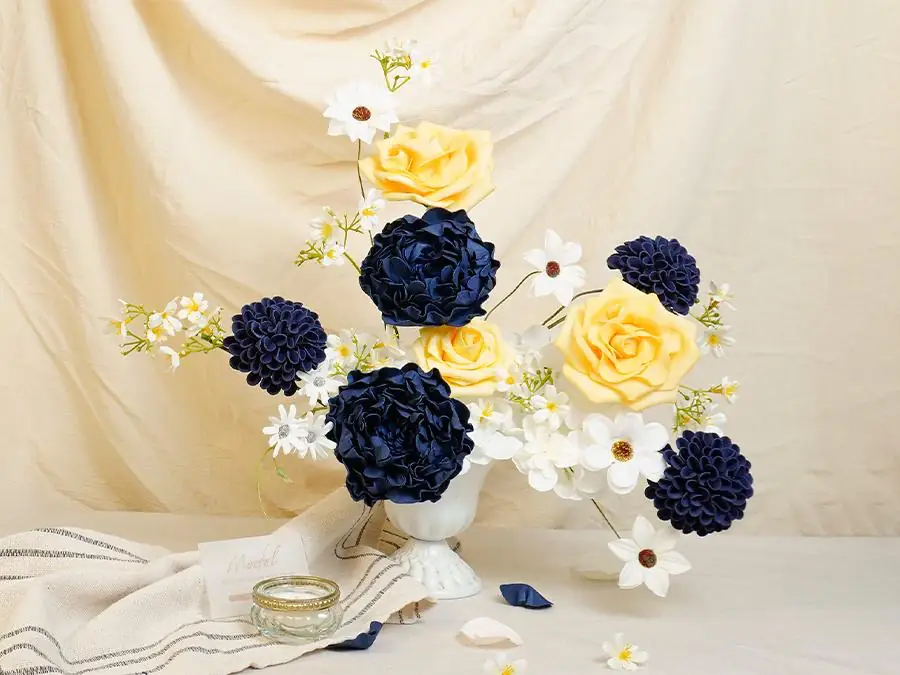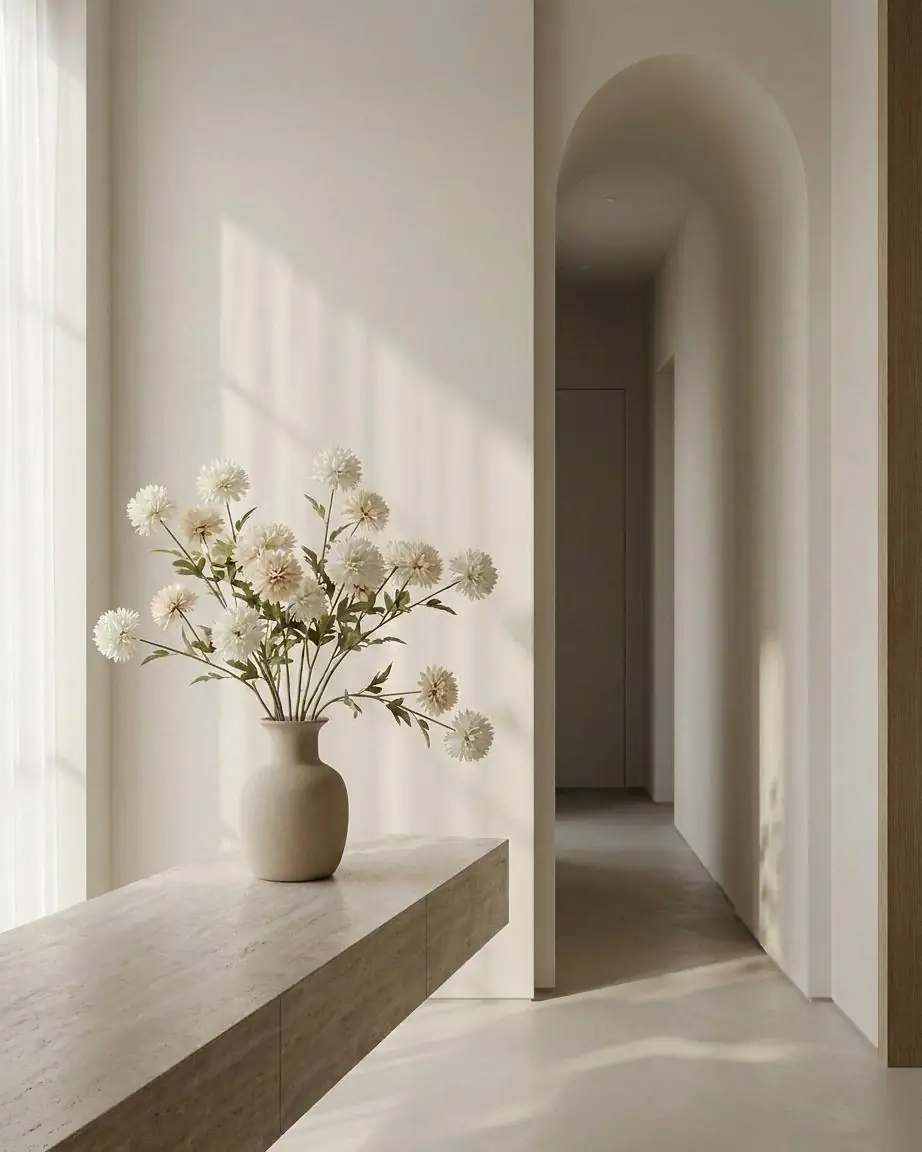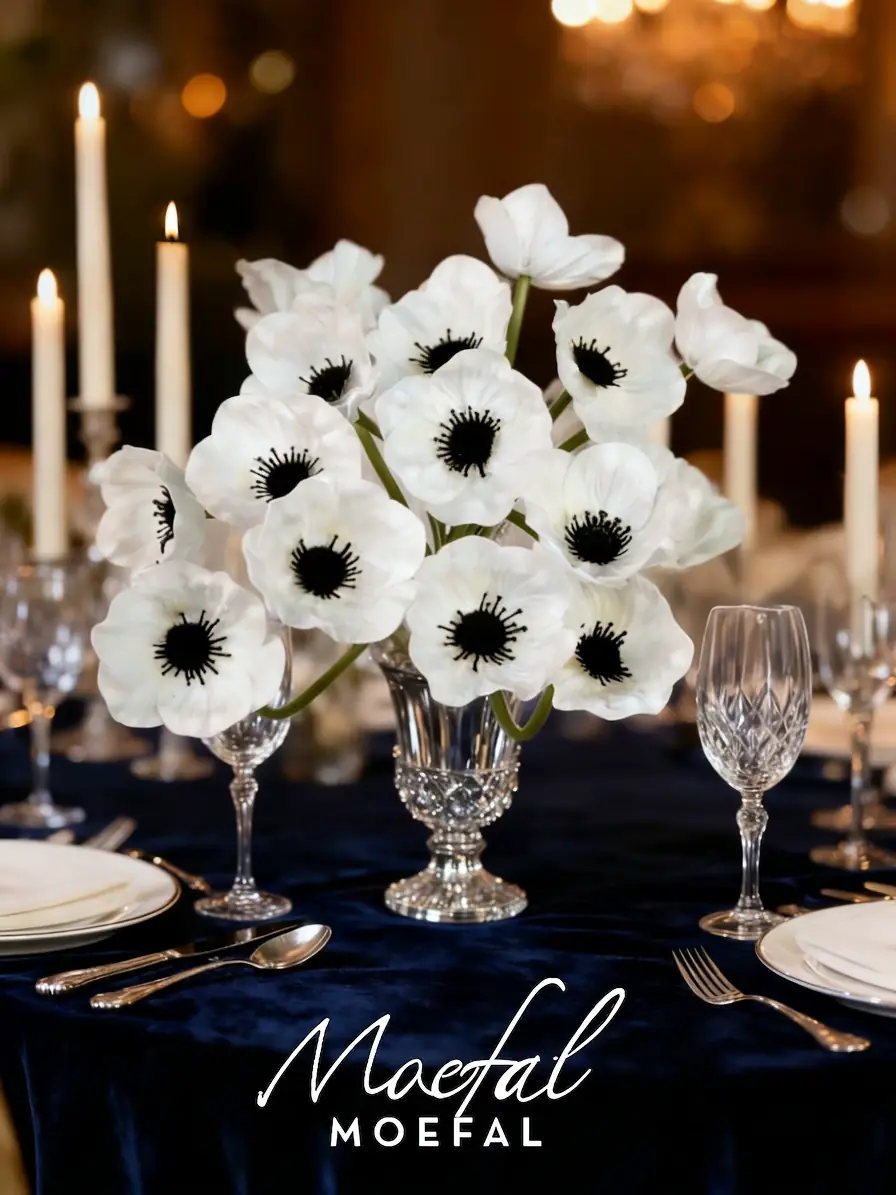
Palette of the moment: Cream and Sage. ☁️ This combination is soft, calming, and absolutely perfect for lifting the winter gloom. Save this post for your next home decor or wedding mood board!
The short answer: a cream and sage wedding palette pairs warm off-white flowers — cream ranunculus, ivory dahlias, white anthuriums and pompon mums — with a muted grey-green that comes mostly from foliage and linens, plus a little champagne to warm it up. Keep roughly 60% cream, 30% sage and 10% champagne or gold, and avoid stark blue-white, which makes the palette look cold.
What colors are in a cream and sage palette?
It is a tone-on-tone palette: no contrast and no statement color, which is exactly why it photographs softly in any light and never fights with a venue. We describe it in three tones (the hex values are approximate, to help you match stationery and linens):
- Warm cream (about #F2EADB) — the quiet ground of the palette. It stops the other tones from reading loud and holds up best under warm reception lighting.
- Soft sage (about #A9B49E) — a muted green-grey. It is the tone that stops an all-white arrangement from looking like a display.
- Champagne (about #E3D1B2) — a warm neutral with a faint gold cast that bridges cream and anything deeper, such as wood, brass or candlelight.
The palette works in every season. In winter it lifts a grey day without any loud color; in spring it reads fresh and garden-picked; in a summer barn or vineyard it looks calm against wood and stone.
The flowers that carry cream and sage
Flowers supply the cream; very few flowers are truly sage. So choose blooms in warm whites and let the leaves and textiles bring the green.
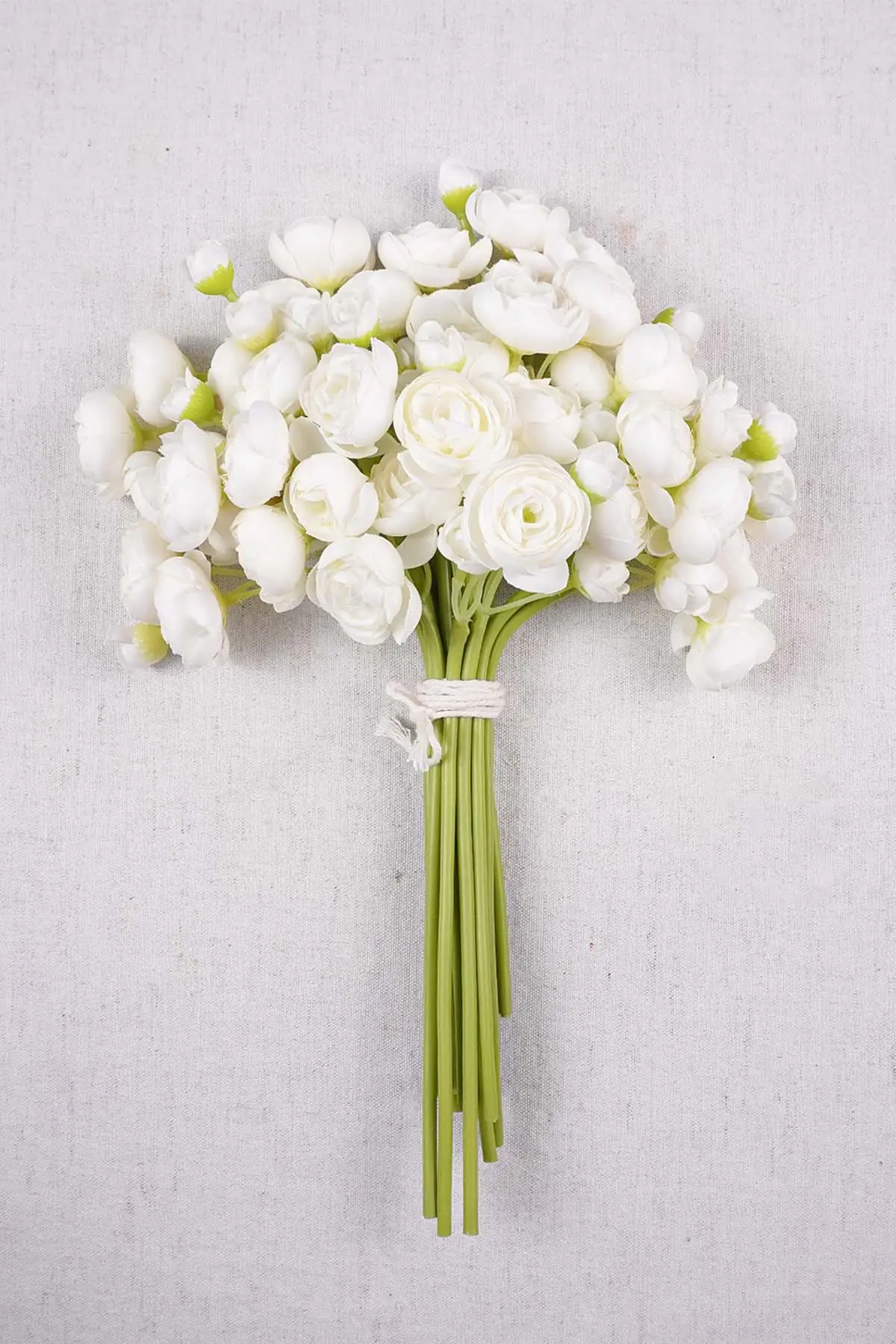
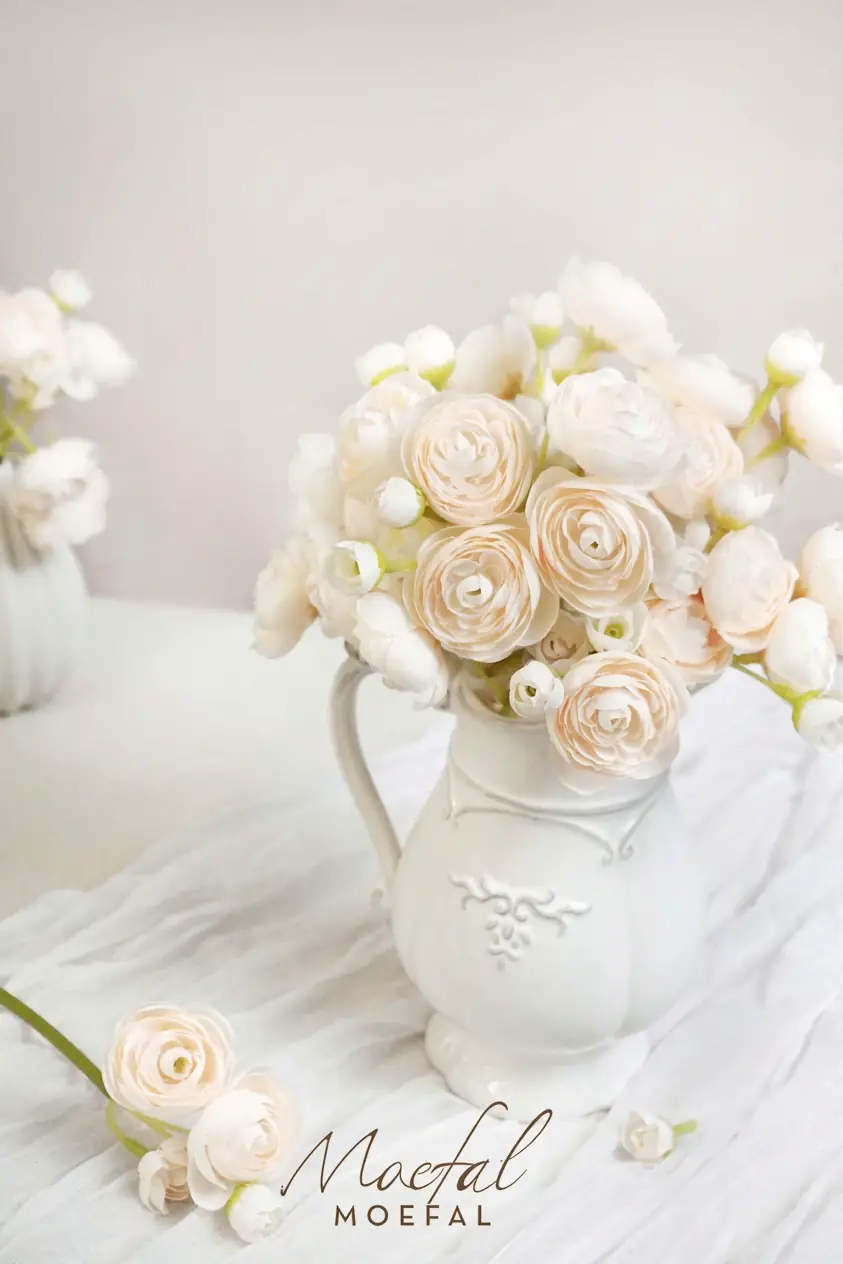
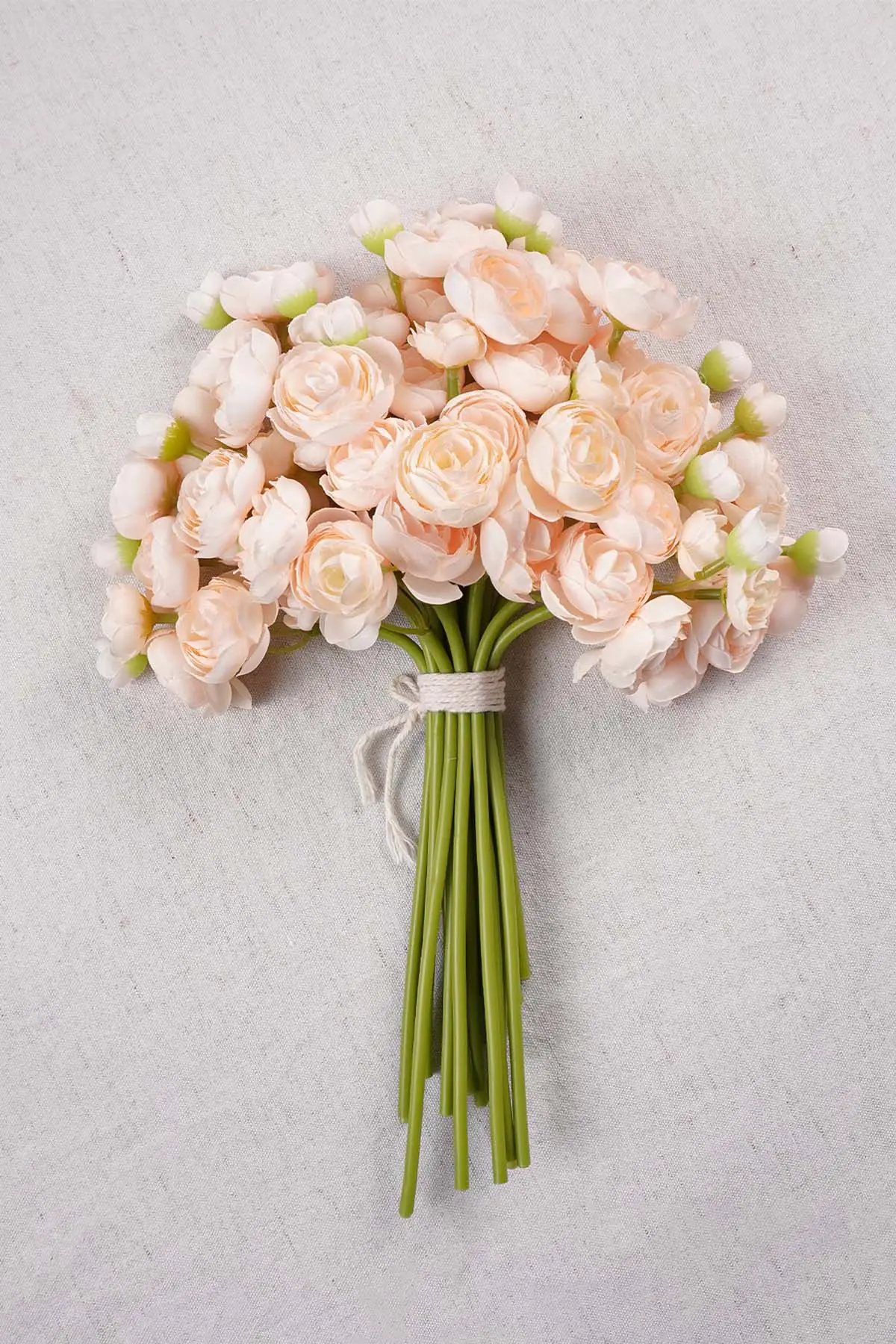
- Cream ranunculus — a cream-to-white gradient rather than a stark white, with open blooms and tight buds on each stem. The easiest base for the palette.
- Ivory white ranunculus — a cleaner, even ivory that sits beside cream without clashing; use it to brighten the center of a bouquet.
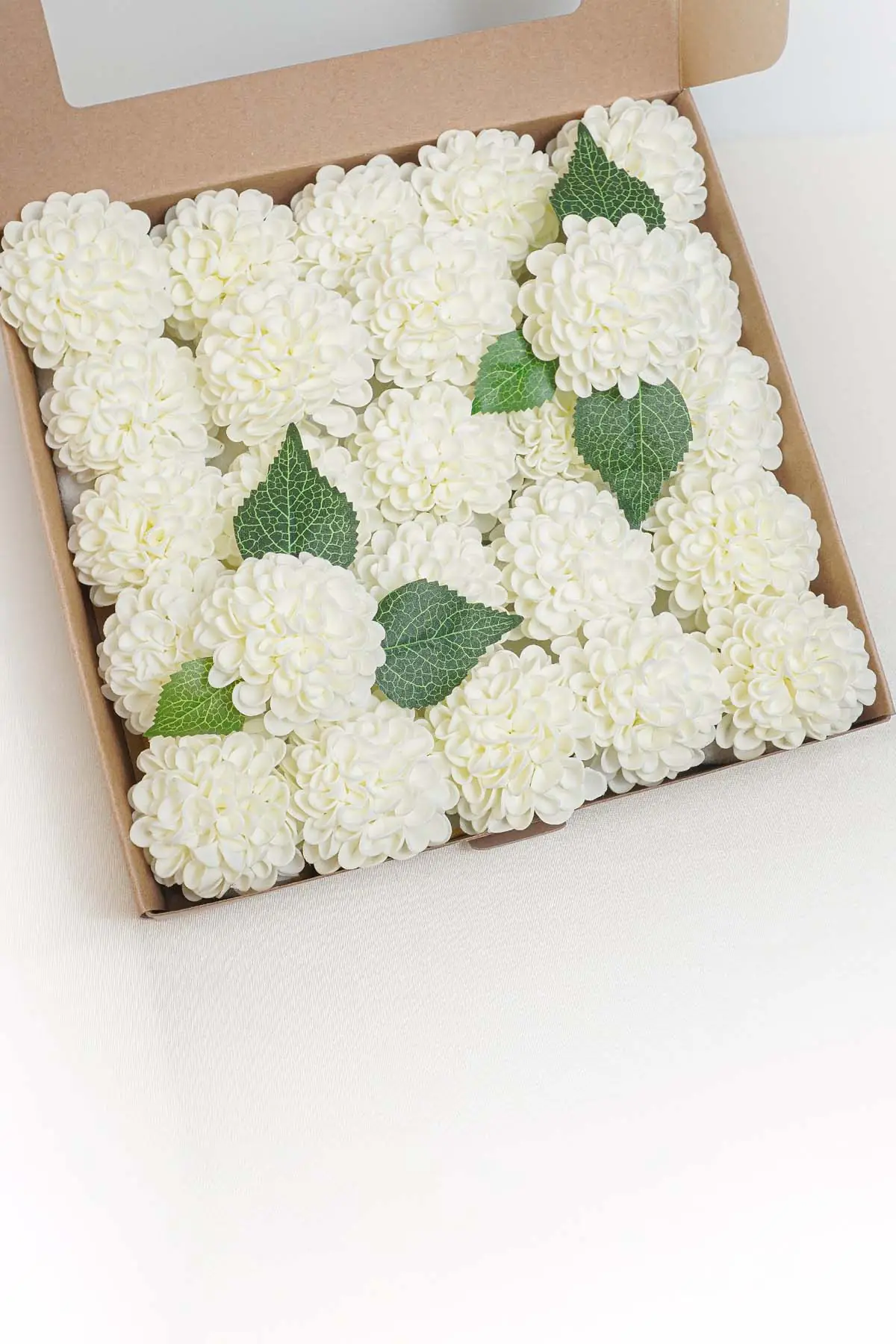
- Ivory dahlias — a warm champagne white in soft foam, with 2.7-inch heads that add volume.
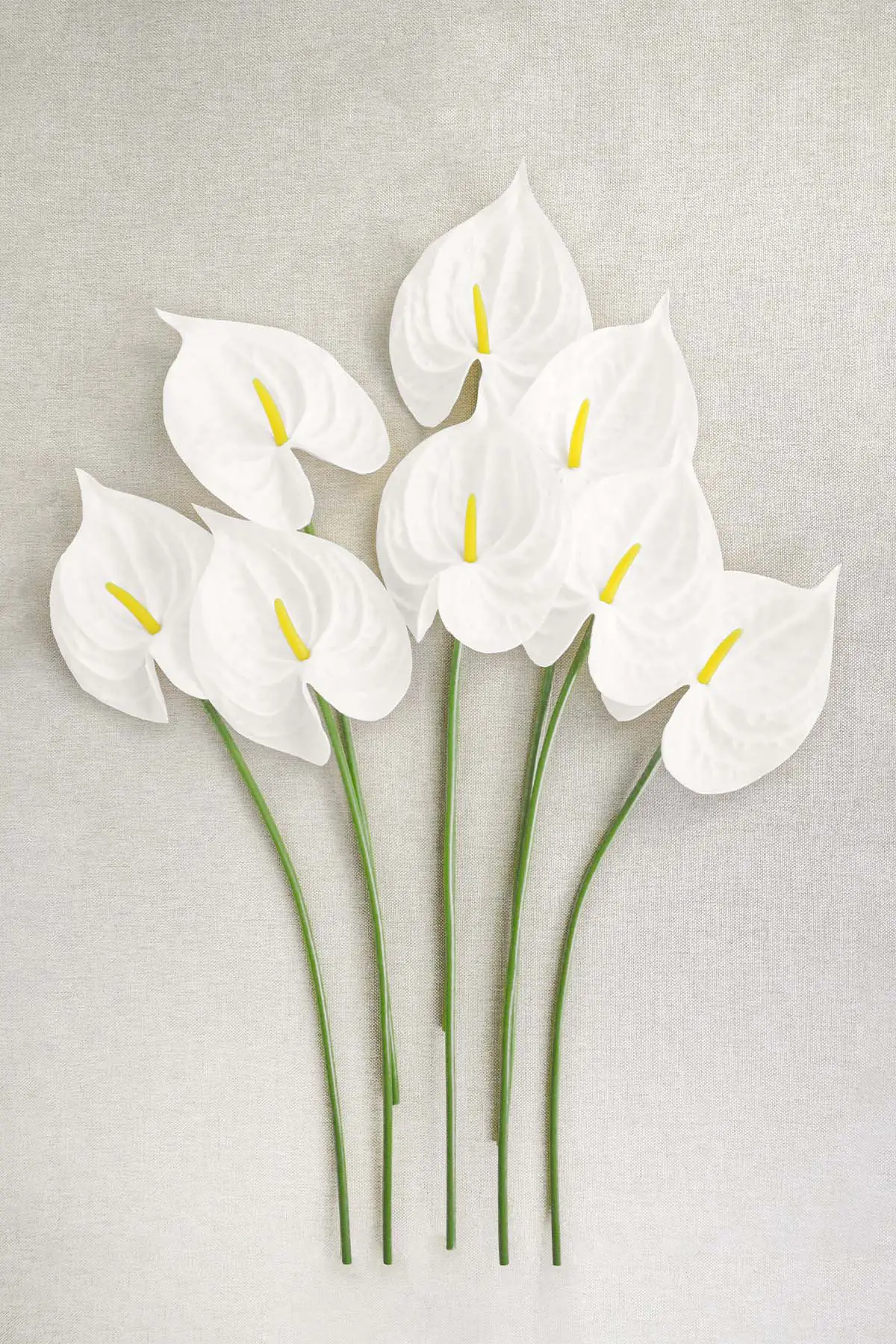
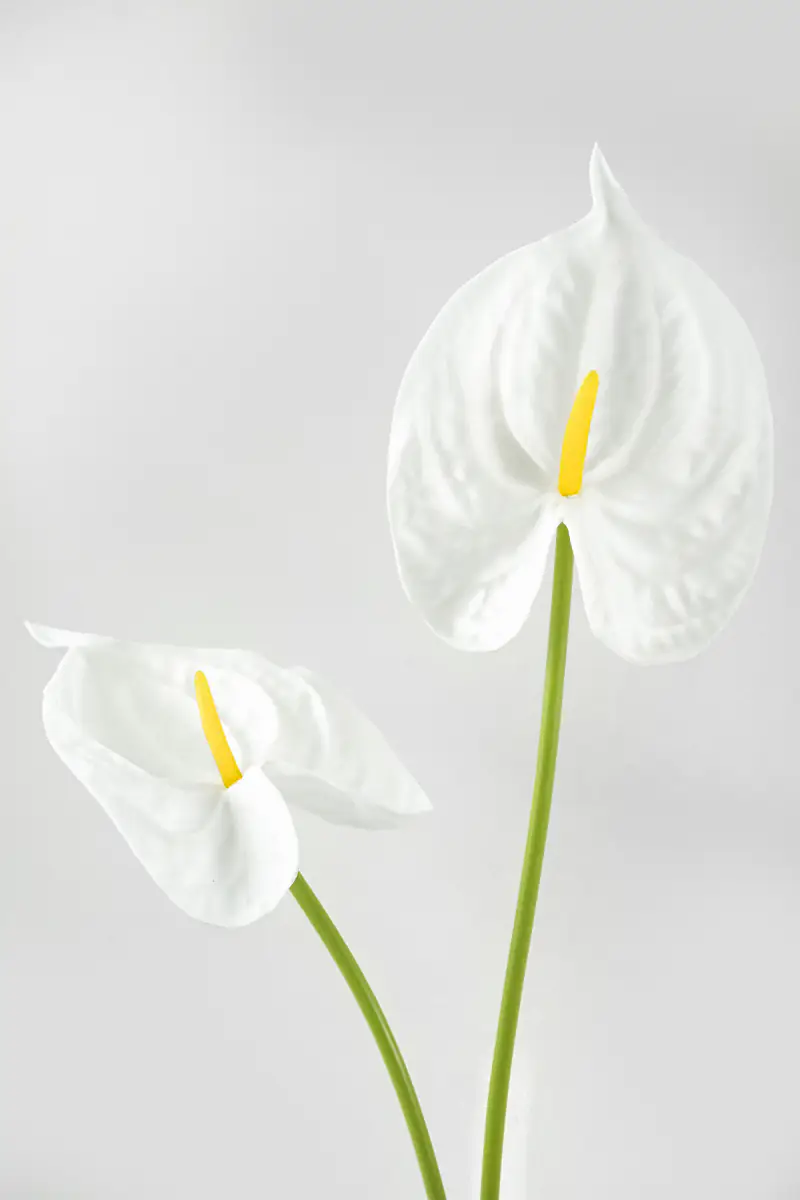
- White anthuriums — clean white with a soft sheen; two or three sculptural stems give the palette a modern edge.
- White pompon mums — small round heads that fill gaps and keep the look airy.
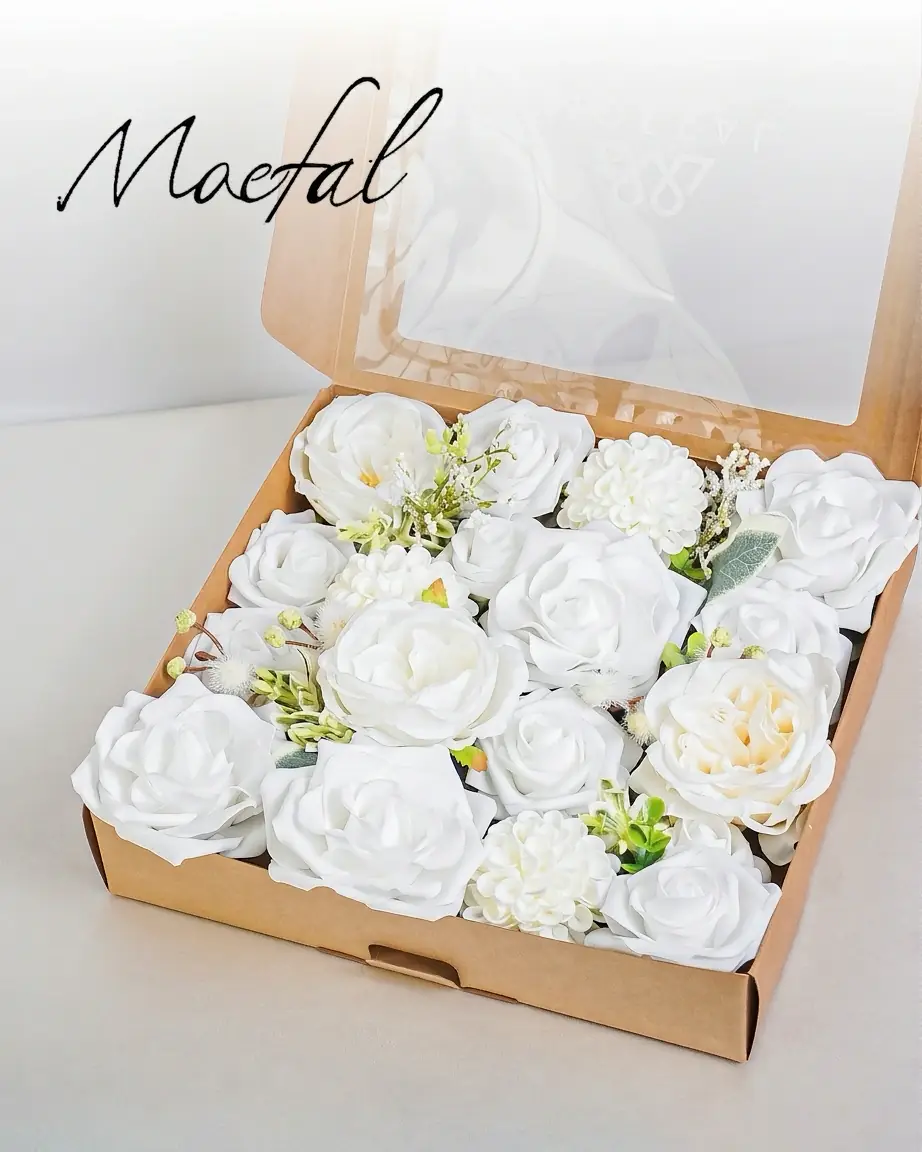
If you want the hard part done for you, our Ivory and Sage flower box combines roses, dahlias, peonies and white baby's breath chosen to sit together. One customer described the packaging as "luxurious, intentional, and romantic." All of these flowers live in our whites and ivory collection.
Where the sage really comes from: greenery, linens and paper
Most cream and sage weddings get their green from four places. Use at least two of them, so the sage repeats around the room instead of appearing once.
- Foliage in the arrangements. Eucalyptus-style leaves, olive branches and the greenery already on the flower stems. Let leaves trail out of bouquets and over the rims of centerpiece bowls.
- Table linens. Sage napkins on a cream tablecloth, or a sage runner on bare wood. Matte linen looks better than shiny satin, which turns sage minty.
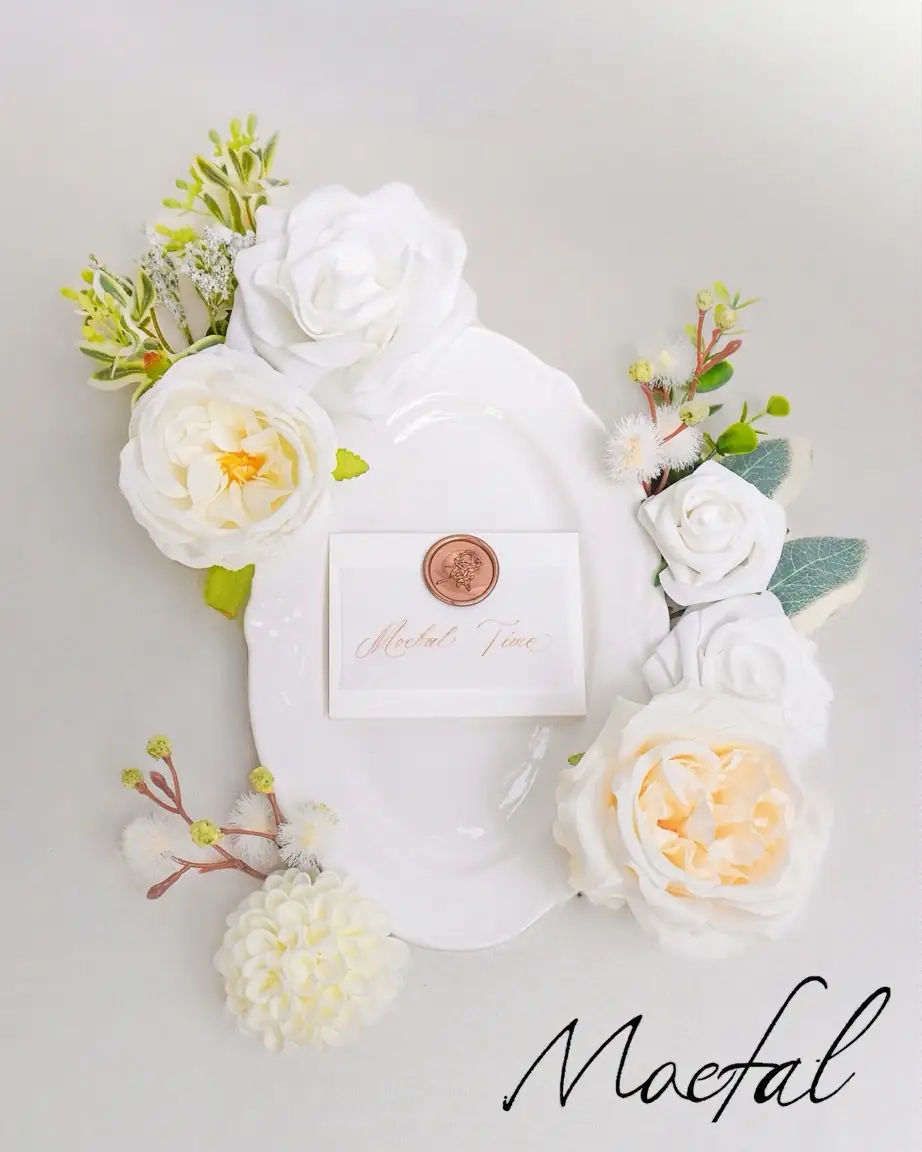
- Stationery. Sage envelopes, menus or place cards tie the table to the invitations.
- Bridesmaid dresses. Sage dresses with cream bouquets is the classic version of this palette.
A calm table: centerpieces and bud vases
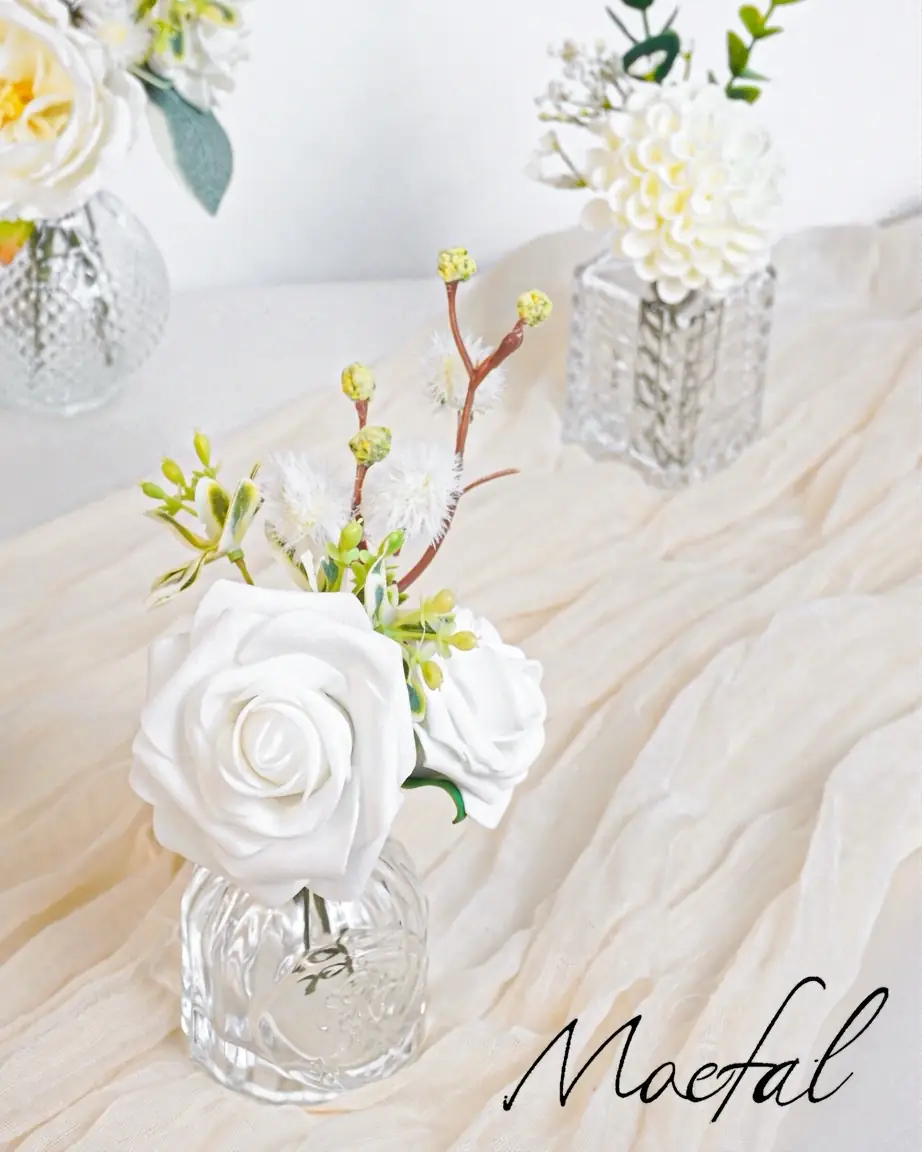
For a cream and sage table, think low and soft. A shallow bowl of cream ranunculus and ivory dahlias, with white pompon mums filling the gaps and greenery spilling over the edge, is the core arrangement. Between centerpieces, run small glass bud vases with a single bloom each — they keep the table light and let candlelight do the rest.
- One centerpiece: one mixed flower box, or one 18-stem pack of ranunculus plus a 5-stem pack of pompon mums.
- Bud vases: one to three stems each; five to seven vases cover an 8-foot banquet table.
- Candles: ivory pillars or taper candles in brass holders add the champagne note.
Our guide to wedding table centerpiece flowers covers heights and stem counts in more detail.
A cream and sage bridal bouquet
A bouquet in this palette should look gathered, not stiff. A simple recipe:
- Base: two 18-stem packs of cream ranunculus, which our planning guide counts for one bridal bouquet. Group the open blooms in the center and let the buds sit higher at the edges.
- Volume: three to five ivory dahlias spaced around the base.
- Accent: one or two white anthurium stems if you want a modern line, or a few pompon heads if you prefer a softer, rounder look.
- Green: plenty of foliage — this is where most of the sage in the bouquet comes from.
- Wrap: a sage or cream silk ribbon, left long.
Customers tend to come back to ivory ranunculus; one wrote that she "ordered more because of how much I liked them." If you would rather not pick flowers one by one, a single mixed flower box makes one bouquet or one centerpiece.
Beyond the wedding day: showers, spring parties and home
Spring is a promise of new beginnings, and few palettes say it as quietly as ivory and sage. That makes it a natural choice for the events around a wedding too: a bridal shower brunch, a rehearsal dinner or an engagement party can use the same flowers, so you buy once and style three times.
Because faux flowers do not wilt, the centerpieces from the reception can become the shower table the following spring, and the bouquet can sit in a vase at home afterward. A cream and sage arrangement suits almost any room — a linen-and-oak dining table, a bathroom shelf, a bedside table — because it adds texture without adding color. For ideas room by room, see our guide to styling faux florals at home, and for keepsake ideas, ways to repurpose your bridal bouquet.
Common mistakes with cream and sage
- Mixing stark white with cream. Blue-white next to warm cream makes the cream look dirty. Keep whites warm, or keep them apart.
- Too many greens. Bright grass greens and sage fight. Choose foliage that leans grey.
- Shiny fabrics. Satin makes sage look mint; linen, cotton and chiffon keep it soft.
- No depth at all. A completely flat palette can disappear in photos. Champagne, warm wood or a few brass candlesticks give it a little weight.
Want something warmer for autumn? Our fall wedding color palettes show how cream works next to terracotta and brown, and our comparison of artificial vs fresh wedding flowers explains why faux florals suit a palette this exact.
Frequently asked questions
What colors go with sage green for a wedding?
Cream, ivory and champagne are the softest partners. For more contrast, add dusty rose or terracotta as a small accent, or use navy for an evening wedding.
What flowers are cream colored?
Cream ranunculus, ivory dahlias, garden roses and peonies all come in warm off-white. Look for a cream-to-white gradient rather than a flat stark white.
Is cream and sage a good palette for a winter wedding?
Yes. It is soft and calming without being cold, especially with candlelight and brass. Keep the whites warm so the palette does not turn icy.
How do I add sage green to wedding flowers?
Mostly through foliage: eucalyptus-style leaves, olive branches and the greenery on each stem. Sage ribbons on bouquets and sage linens on the tables repeat the color.
Do cream and white flowers go together?
They can, as long as the white is warm. Ivory and cream sit together naturally; a stark blue-white next to cream tends to make the cream look dull.
Shop the story
Warm whites for a cream and sage palette, from our whites and ivory family.