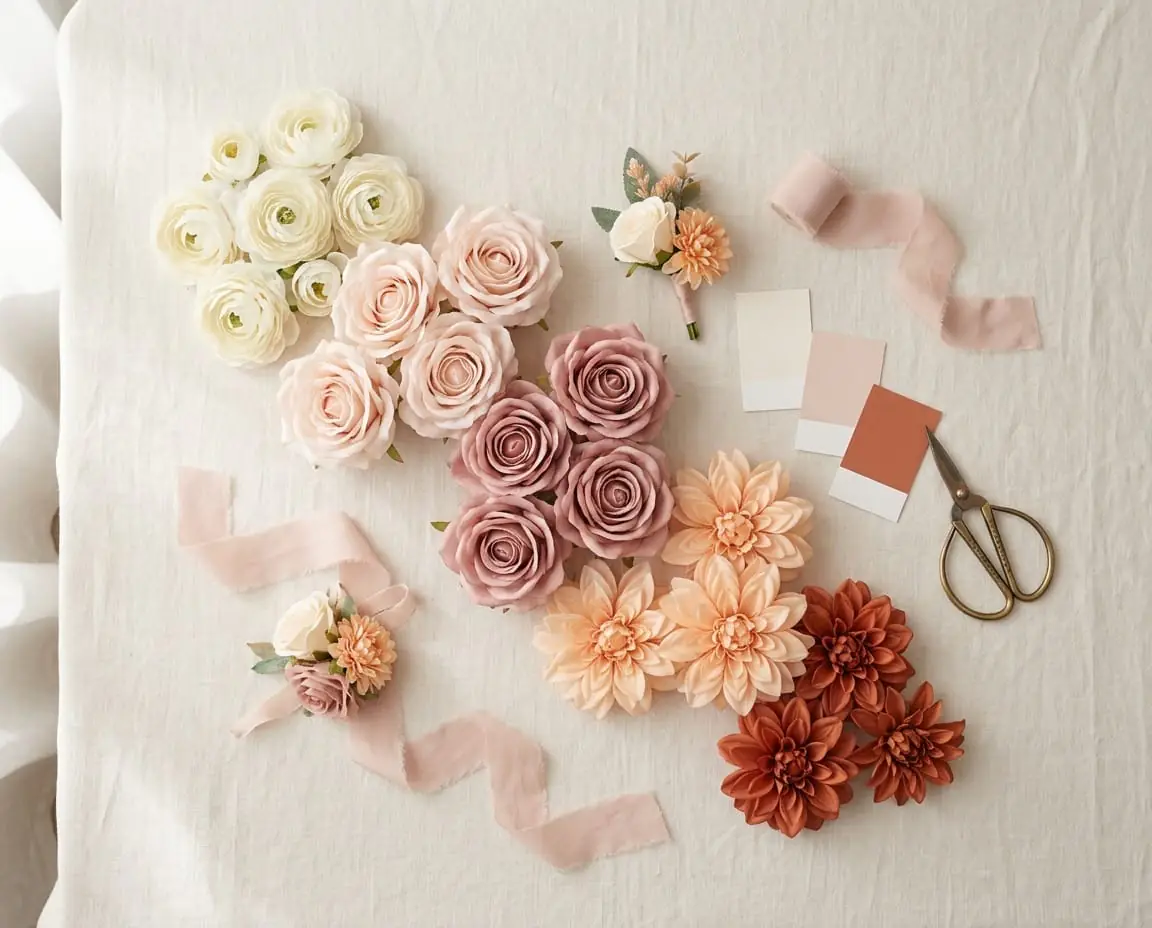
The short answer: fresh wedding flowers are one of the bigger line items in a wedding budget — couples in The Knot’s 2025 Real Weddings Study spent an average of $2,723 on them — and they are gone within days. High-quality artificial wedding flowers cost far less for the same look, can be styled weeks ahead, and are still yours after the last dance. The trade-off is scent and a few seasonal varieties; for most couples, it is worth it.
What fresh wedding flowers really cost
According to The Knot 2025 Real Weddings Study, couples spent an average of $2,723 on wedding flowers. Guest count moves that number a lot: weddings with 50 guests or fewer averaged about $1,343, while weddings with more than 100 guests averaged about $3,282.
Most of that money is not the flowers themselves. It pays for:
- Labor. A florist designs, conditions and arranges every stem, usually in the 48 hours before your wedding.
- Perishability. Fresh blooms are bought for one date only. Extra stems are ordered to cover wilting and breakage.
- Delivery and setup. Someone has to bring everything to the venue on the day, set it up, and often take it down again.
- Timing. Peak wedding weekends and out-of-season varieties cost more, and there is no way to do any of it early.
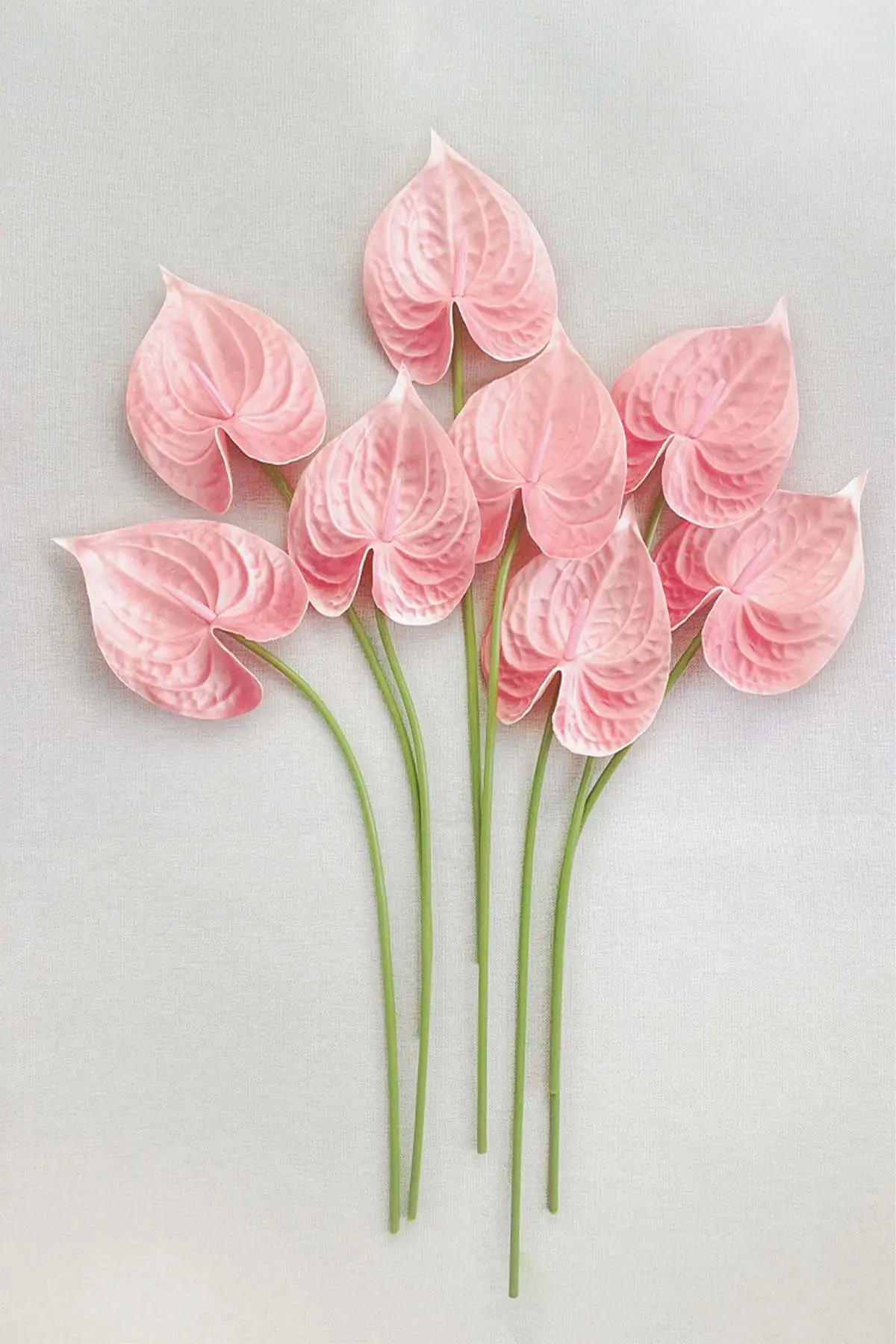
One customer, planning her own wedding flowers, put it more bluntly in her review of our anthuriums: “Def saving hundreds in real bouquets with these fake ones.”
Where artificial flowers save you money
Artificial flowers change the cost structure rather than just the price tag.
- Nothing wilts, so nothing is wasted. You buy what you need, not what you need plus a safety margin.
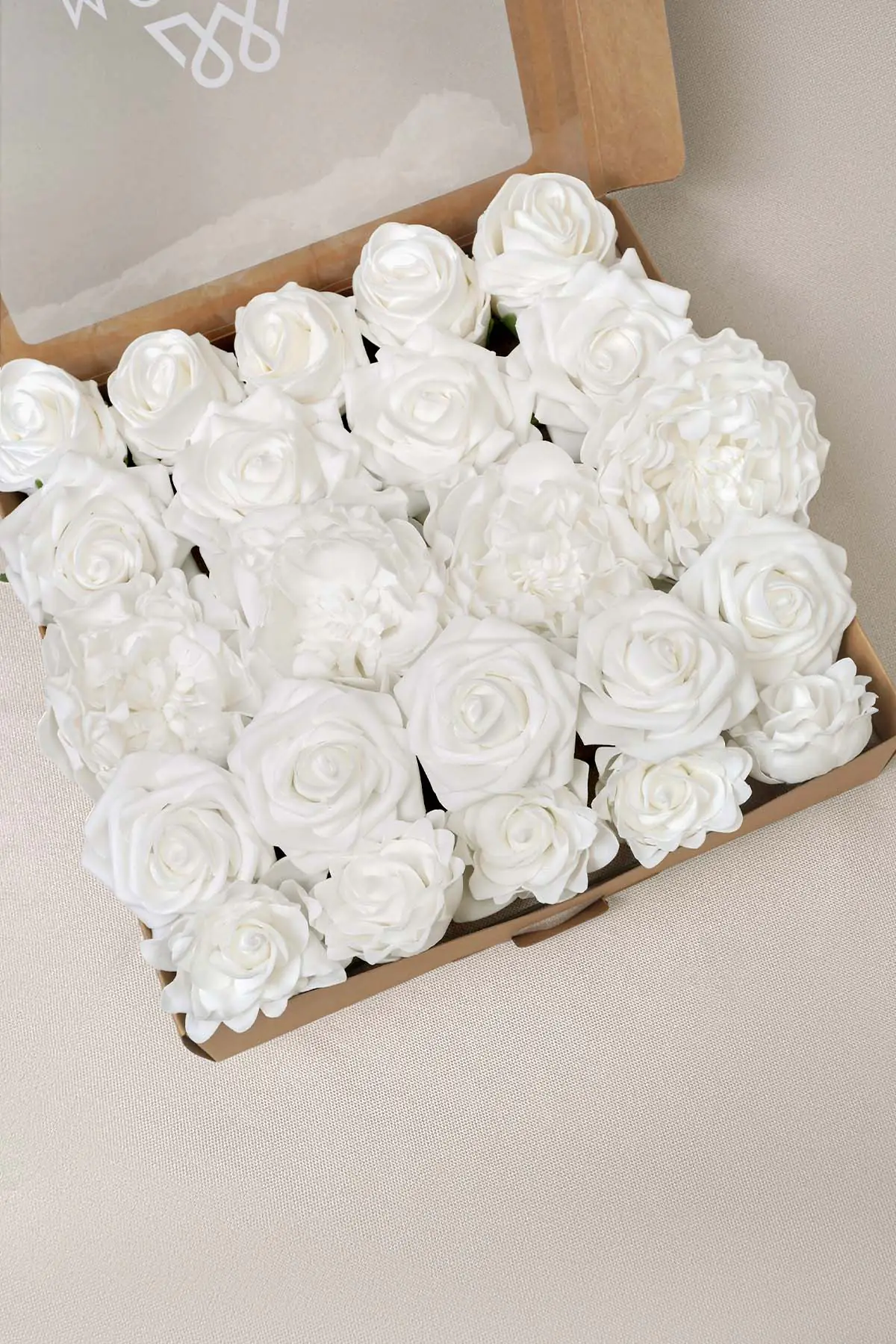
- You can arrange them yourself — weeks early. DIY flower boxes come with stems already matched by color, so a bouquet or centerpiece is an afternoon project, not a wedding-week scramble.
- No day-of delivery. Your flowers arrive at home, you style them when it suits you, and they travel to the venue like any other decor.
- One palette, fewer mistakes. When every piece is designed in the same color family, you do not end up buying extras to “fix” a bouquet that does not match the centerpieces.
What you get to keep
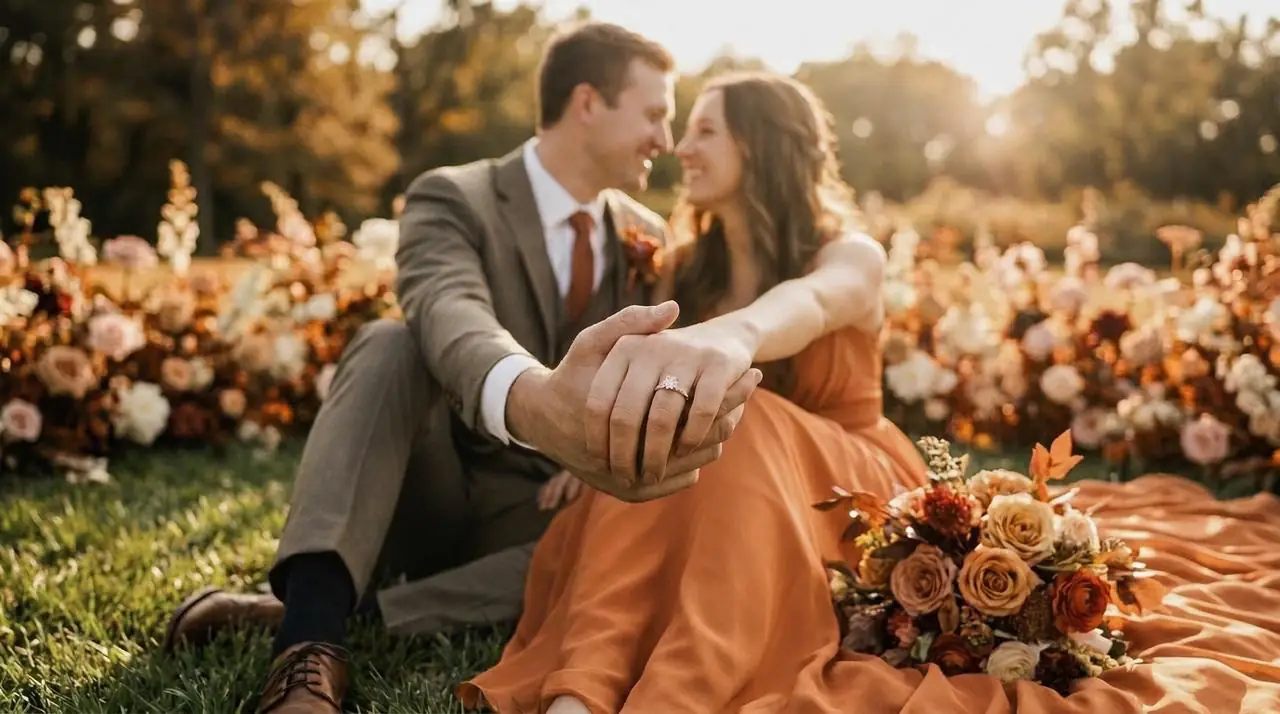
Picture the Monday after the wedding. The house is quiet, the cards are still stacked on the counter, and your bouquet is sitting on the dresser in the same soft blush it was in every photo — not browning in a vase, not in the trash.
That is the part a price comparison misses. Fresh flowers are beautiful for a day; artificial flowers become part of your home.
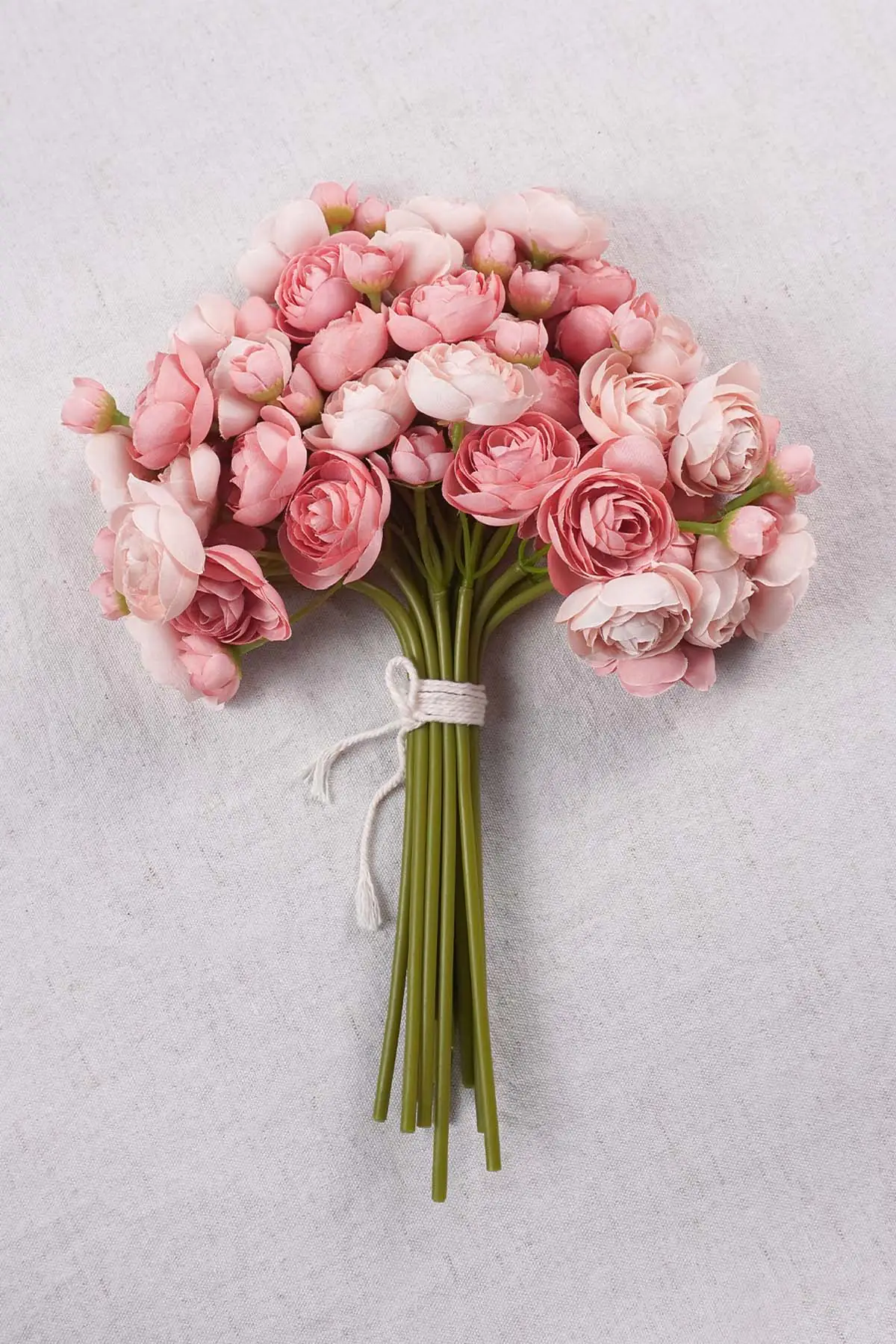
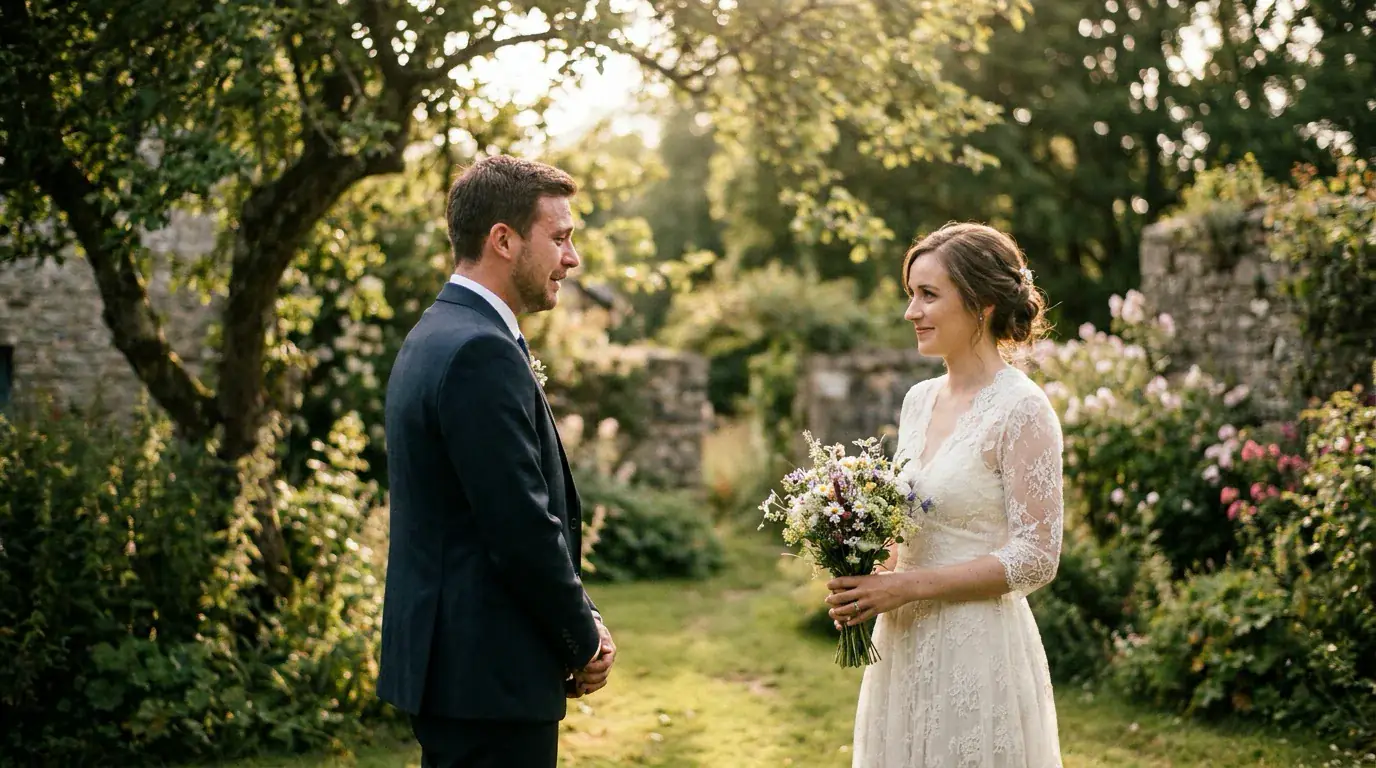
They say a wedding lasts a day, but the memories last a lifetime — so why shouldn't the flowers? The sunlight through the window, the anticipation, the "I do": a bouquet of cream ranunculus, white roses from a flower box and a few pompon mums can stay exactly as it looked in that moment, and become a daily reminder in your new home of where the journey began.
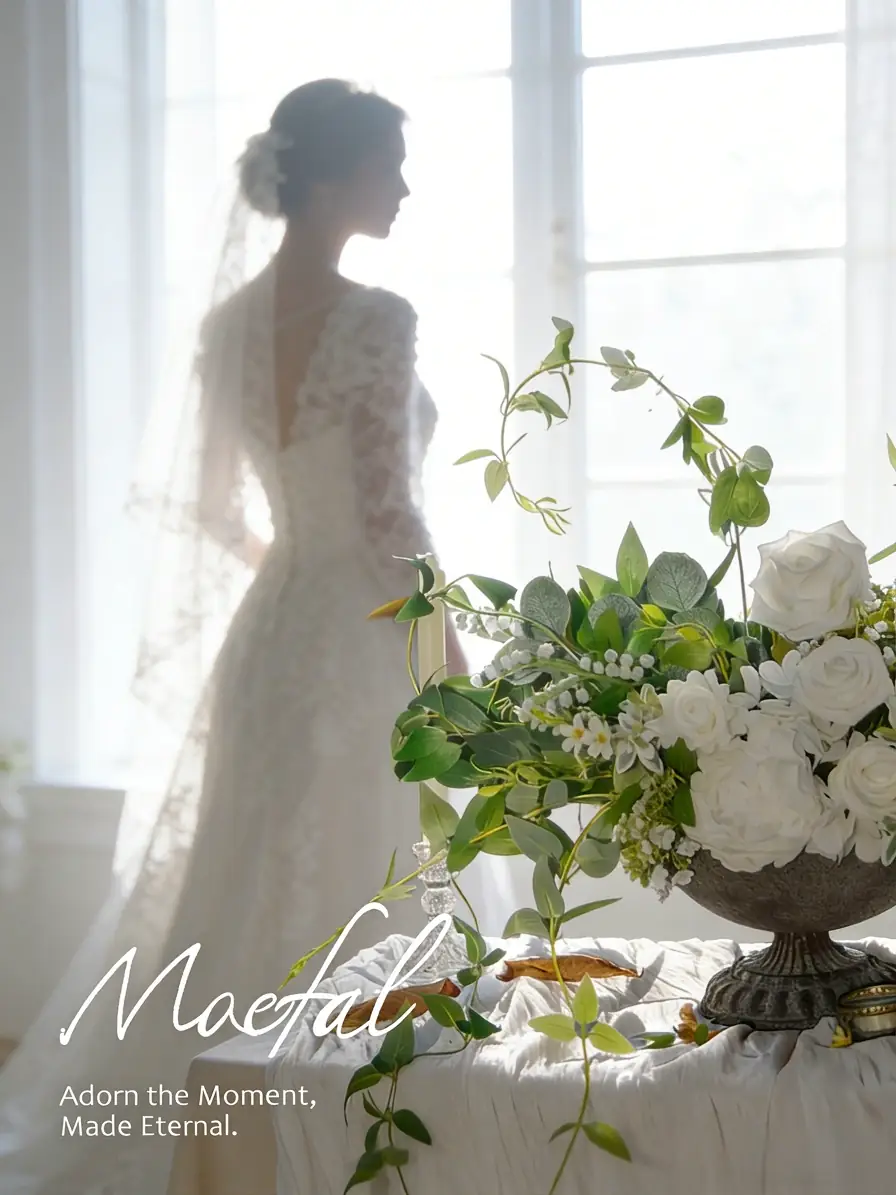
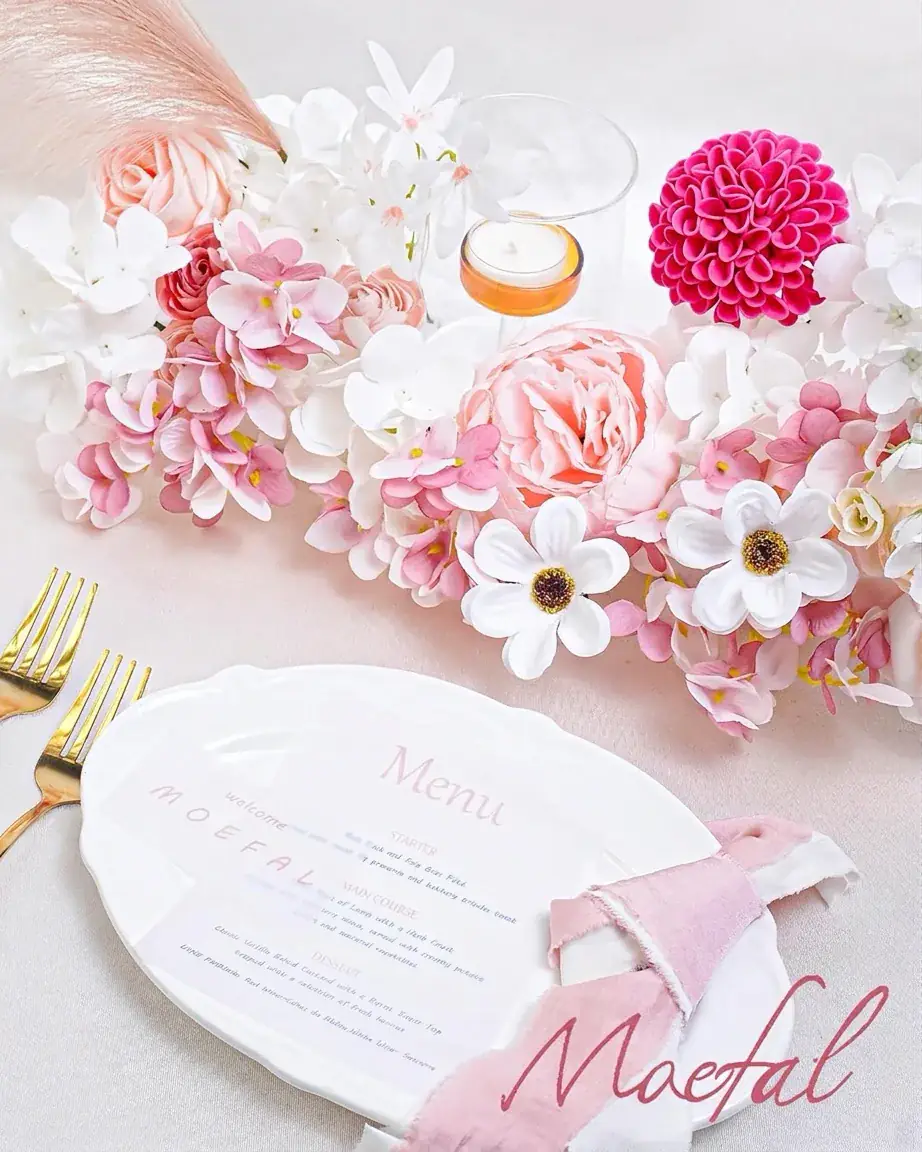
- Keep your bridal bouquet as a first-anniversary centerpiece or on a shelf where you will see it every day.
- Turn centerpieces into home decor, or send one home with each bridesmaid.
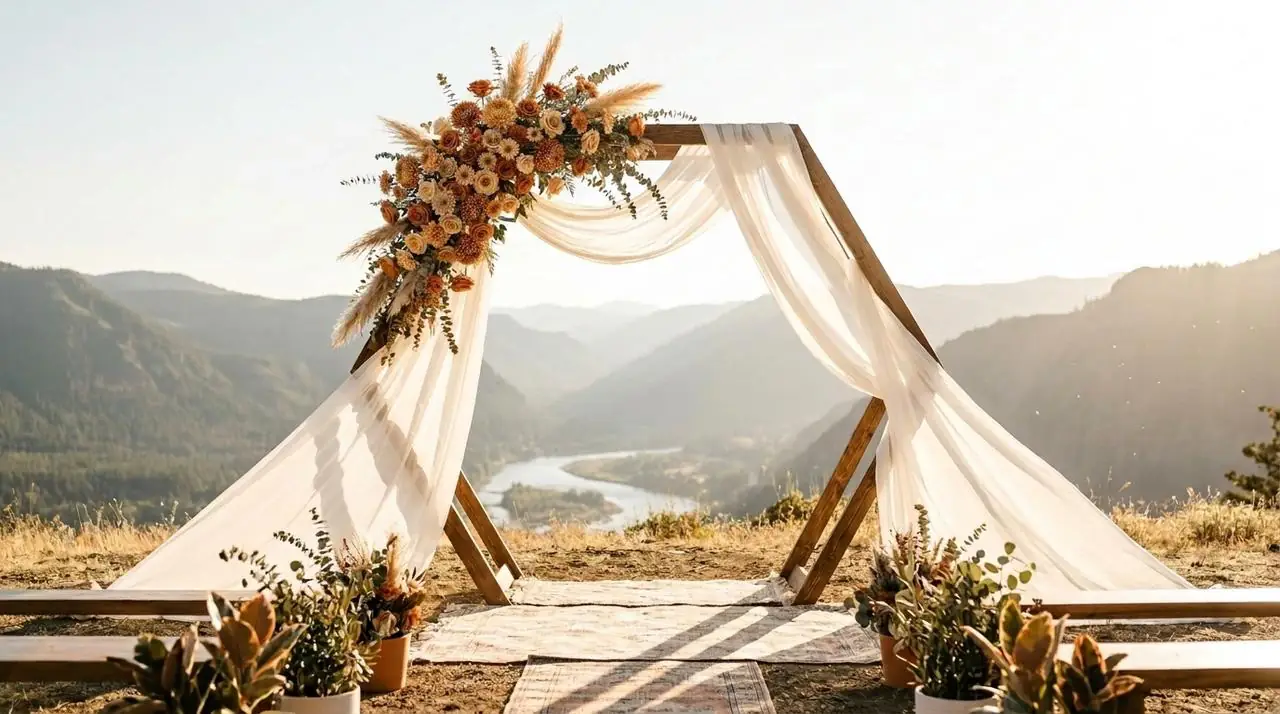
- Reuse ceremony pieces at the reception — they do not need water, and they will not droop by evening.
We collected more ideas in chic ways to repurpose your bridal bouquet after the “I do”s.
Quality is what makes the swap work
The fear with artificial flowers is that they will look cheap in person and fake in photos. That is a fair fear — low-end faux flowers often do. The difference comes down to a few details you can check:
- Color variation. Real petals are never one flat color. Look for shading from the center out and slight differences from stem to stem.
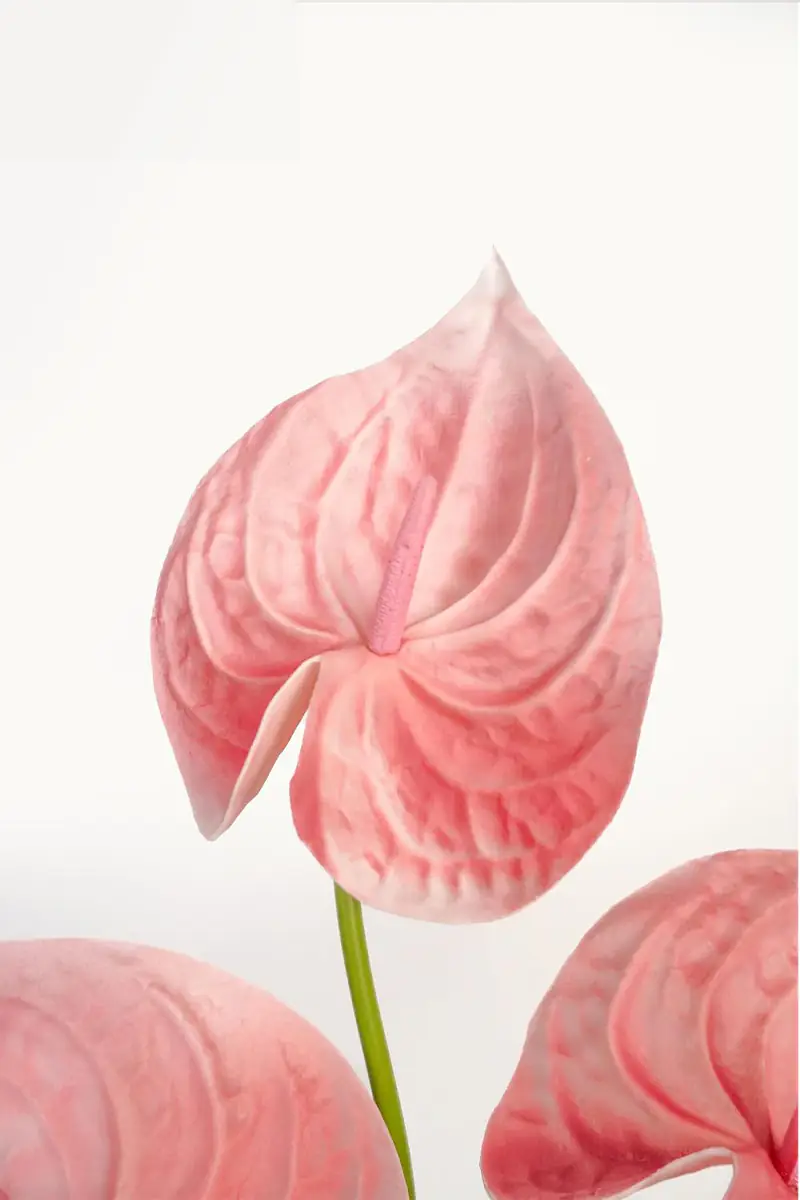
- Petal layering and texture. Foam and silk petals should be layered and slightly irregular, not stamped flat. Some varieties go further: MOEFAL’s anthurium and anemone poppy use soft real-touch petals.
- Shape and stems. Bendable wire stems let you open blooms and angle them the way a florist would, instead of leaving them stiff.
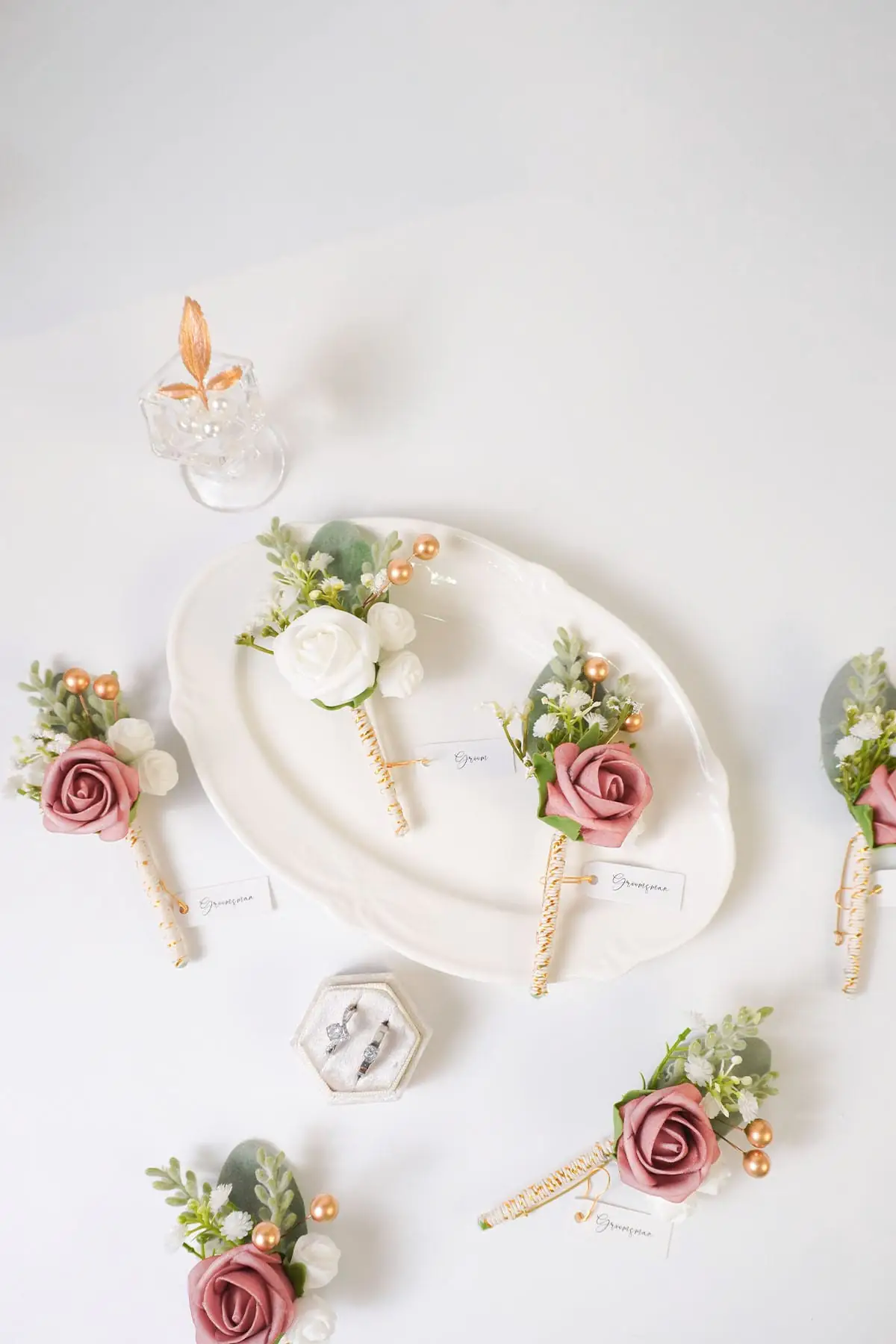
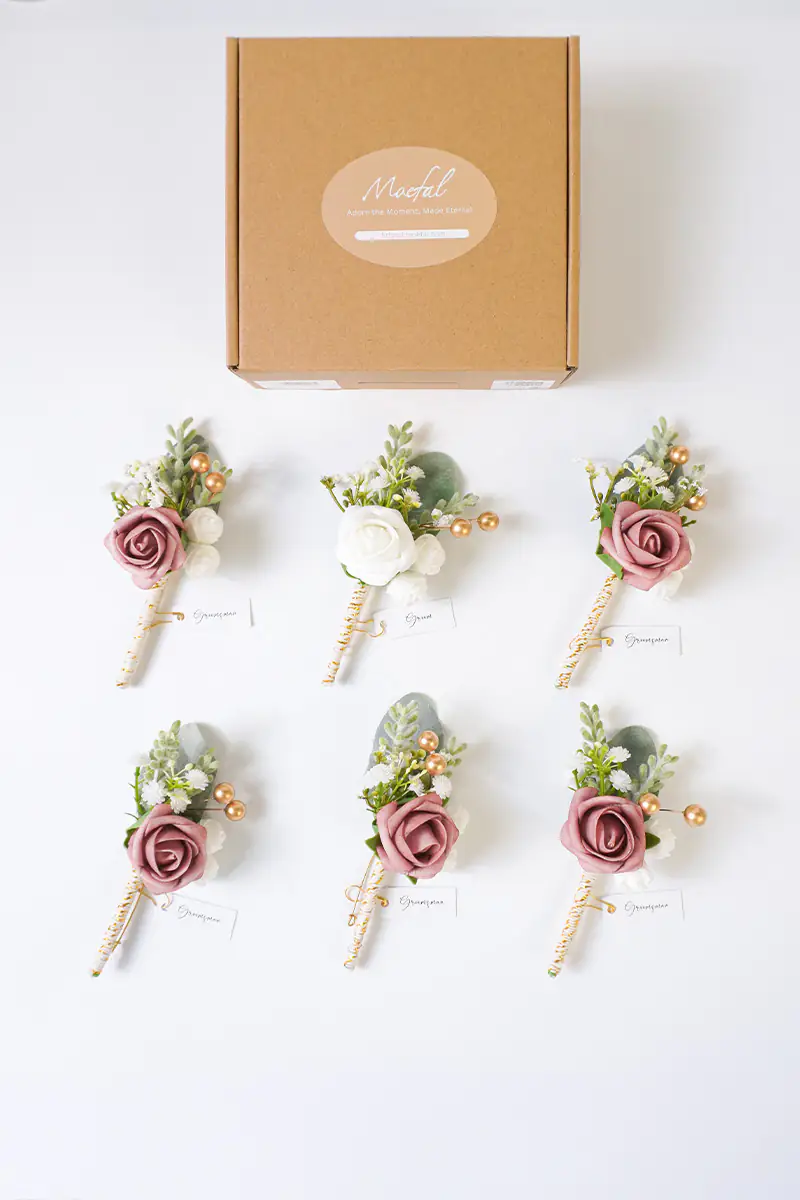
- Matching across pieces. A bouquet, boutonniere and centerpiece that were designed together will read as one look in photos.
A bride who spent months hunting for the right anthuriums for her bouquet noticed exactly this in her review — the stems she chose were each “just slightly different in the gradient which adds to the realism.”
Once your flowers arrive, a few minutes of shaping makes a visible difference — here is how to fluff and revive a pre-arranged bouquet after delivery.
When fresh flowers still make sense
Artificial is not the right answer for everyone. Fresh flowers may be worth it if:
- Scent matters to you — a garden-rose or gardenia bouquet you can smell is something faux flowers cannot copy.
- You want one specific seasonal bloom that is hard to find in artificial form.
- Your venue or florist package already includes flowers at a price you are happy with.
Many couples split the difference: a fresh bridal bouquet, with artificial flowers for bridesmaids, boutonnieres, centerpieces and the ceremony — the pieces that need to last all day and are easiest to keep.
Keepsake ideas: making your wedding flowers eternal
From grand celebrations to the most intimate gatherings, the flowers are part of what you remember. These are the keepsake ideas couples ask us about most:
- The bouquet in a vase at home, on a shelf or dresser where you see it every day.
- A shadow box with the bouquet or a few blooms, your invitation and a photo.
- One centerpiece per family — send them home with parents and grandparents at the end of the night.
- The boutonniere and corsages pinned to a framed print or kept in their box for the first anniversary.
- An anniversary arrangement rebuilt from the same flowers each year.
A simple way to compare for your own wedding
- List every piece you need — bridal bouquet, bridesmaid bouquets, boutonnieres, corsages, centerpieces, ceremony arch or aisle pieces.
- Get one fresh quote from a local florist for that list.
- Price the same list in artificial, choosing one color palette so everything matches.
- Add the value of keeping them — what would you spend on home decor or gifts for your wedding party anyway?
- Add your time. Artificial flowers ask for a weekend of arranging; fresh flowers ask for nothing from you but cost more and cannot be done early.
Frequently asked questions
Are artificial wedding flowers cheaper than fresh?
Usually, yes. Couples spent an average of $2,723 on fresh wedding flowers according to The Knot’s 2025 Real Weddings Study. Artificial flowers remove most of what drives that cost — florist labor, wastage and day-of delivery — and you keep them afterward.
Will artificial wedding flowers look fake in photos?
Low-quality ones can. Well-made artificial flowers with natural color variation, layered petals and shapeable stems read as real at normal viewing distance and in photos, especially when every piece comes from the same color palette.
Can I mix fresh and artificial flowers?
Yes. A common approach is a fresh bridal bouquet with artificial bridesmaid bouquets, boutonnieres and centerpieces. Choose artificial pieces in the same color family so the two blend.
How far ahead should I order artificial wedding flowers?
Give yourself at least four to six weeks. MOEFAL orders are packed within 2–3 business days and most arrive within 7–10 business days, which leaves time to shape, arrange and do a trial run of your bouquet.
Can you keep artificial wedding flowers after the wedding?
Yes — that is one of the main reasons to choose them. Bouquets and centerpieces can go straight into vases at home, be framed in a shadow box or be given to bridesmaids and family as keepsakes.
How do you store artificial wedding flowers?
Keep them in their box or a covered container, out of direct sunlight and damp. Store bouquets upright or flat so the petals are not crushed, and dust them now and then with a soft brush or a hairdryer on the cool setting.
Ready to plan yours? Shop artificial wedding flowers by color palette — bouquets, DIY flower boxes and boutonnieres designed to match.
Shop the story
One palette from bouquet to boutonniere — pieces that look right in the photos and stay with you afterward.