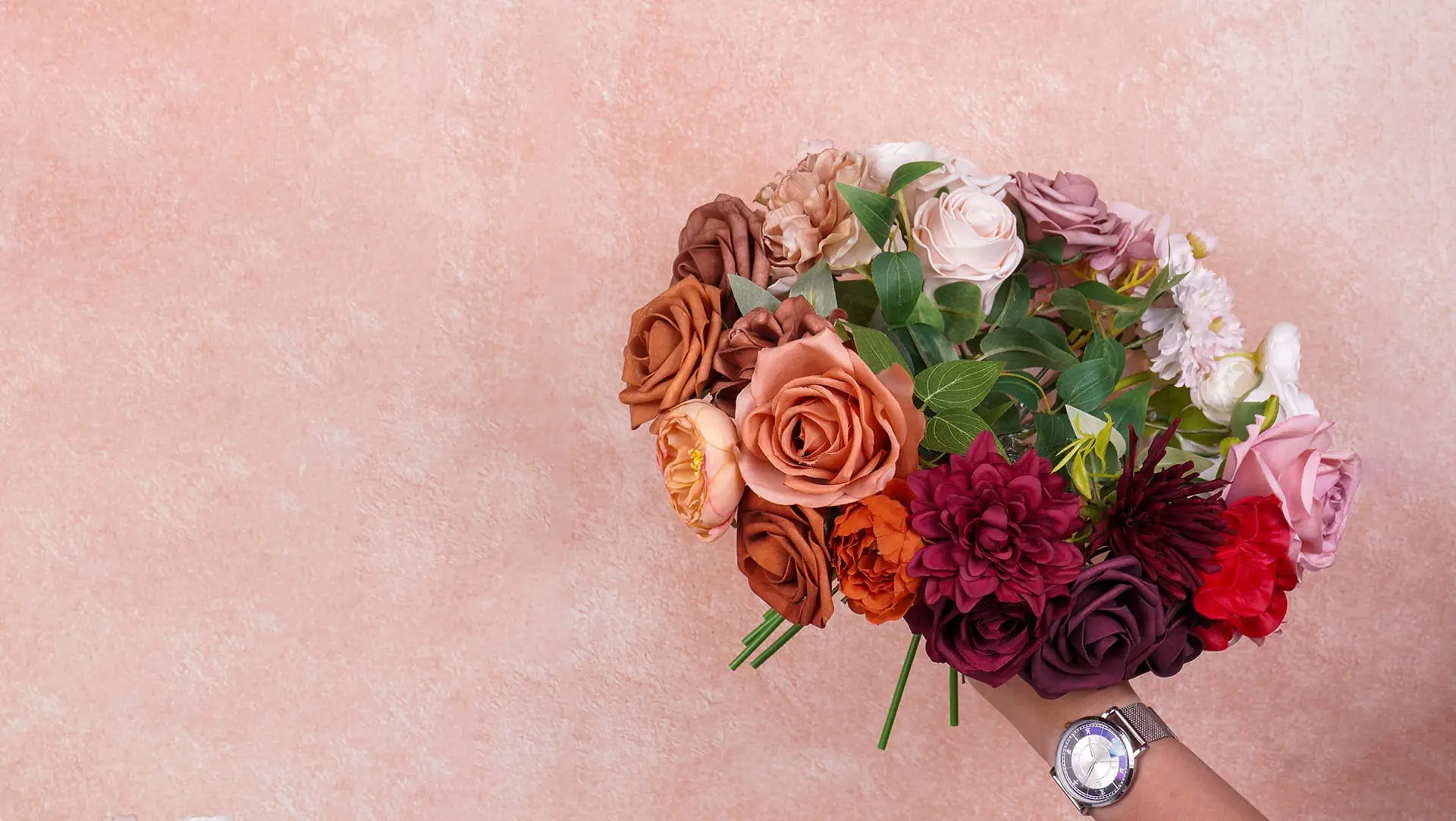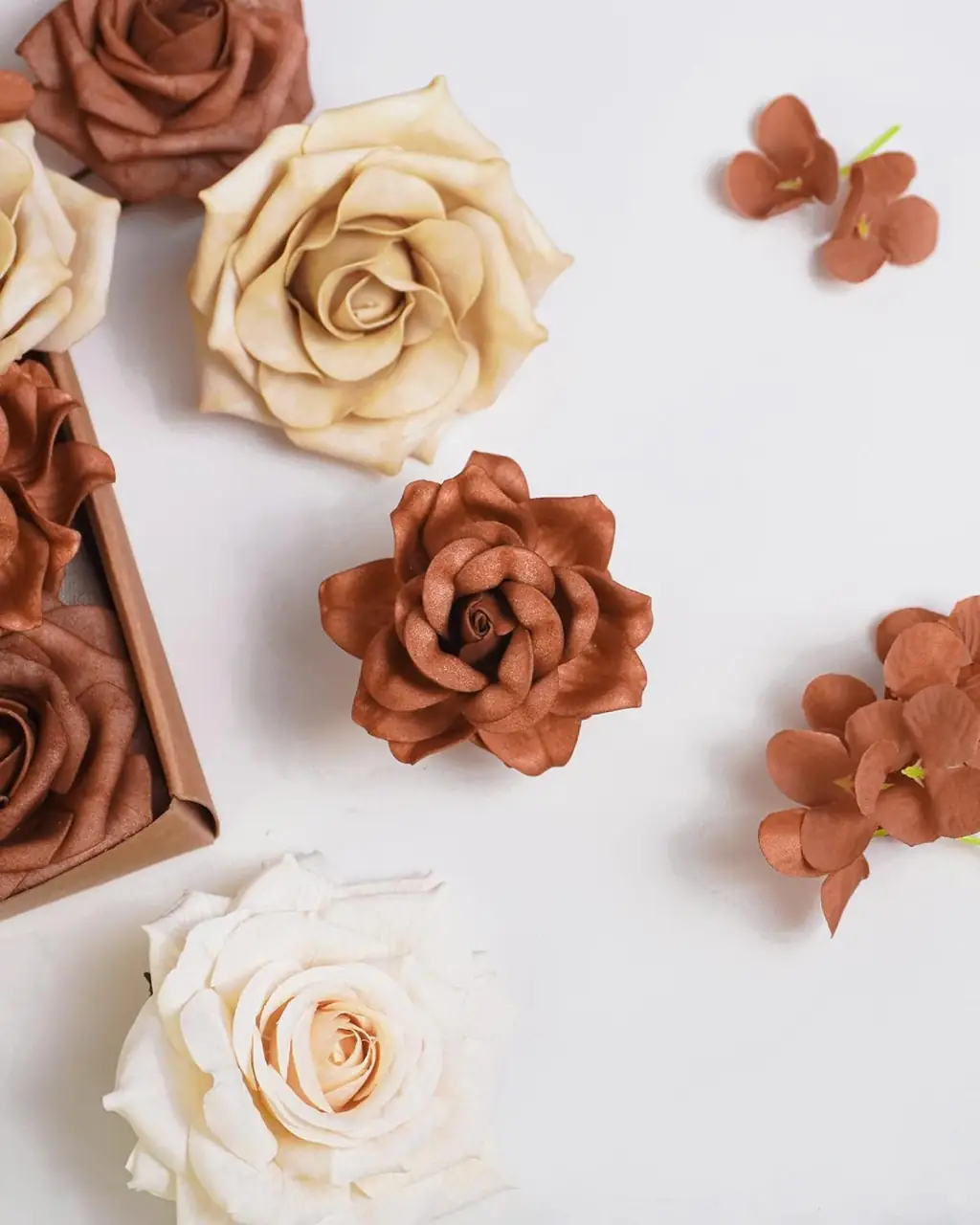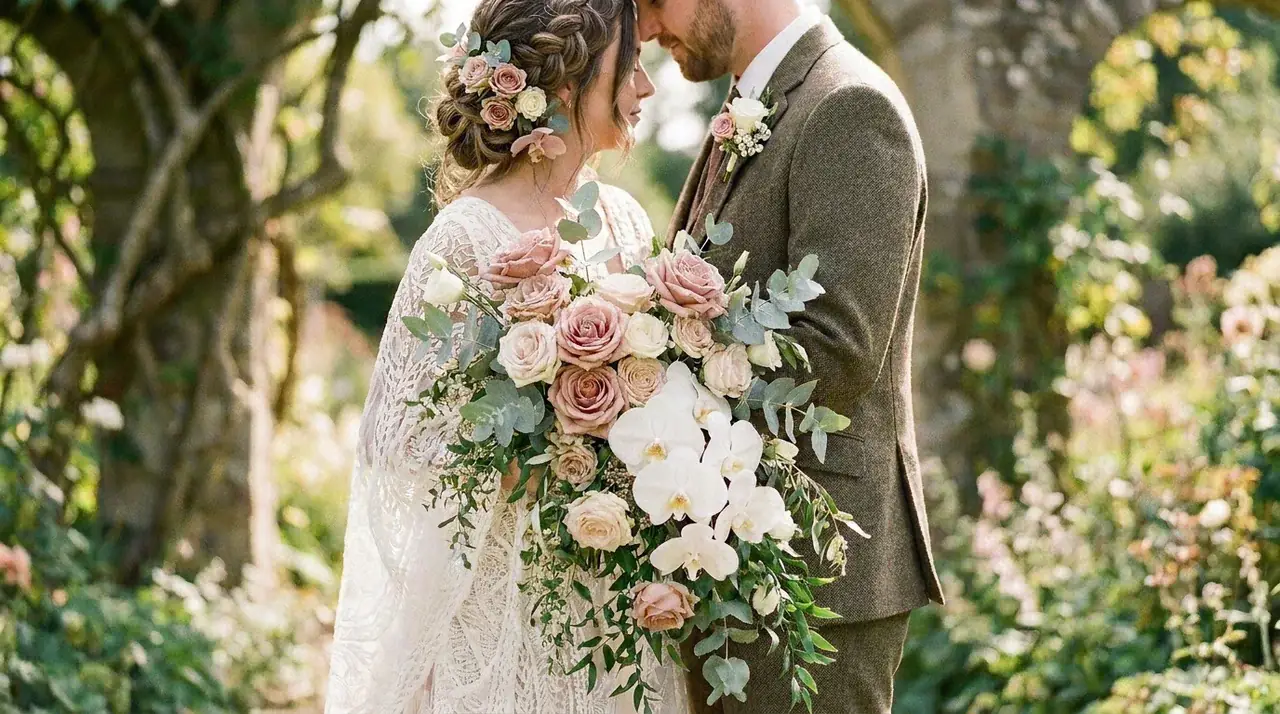
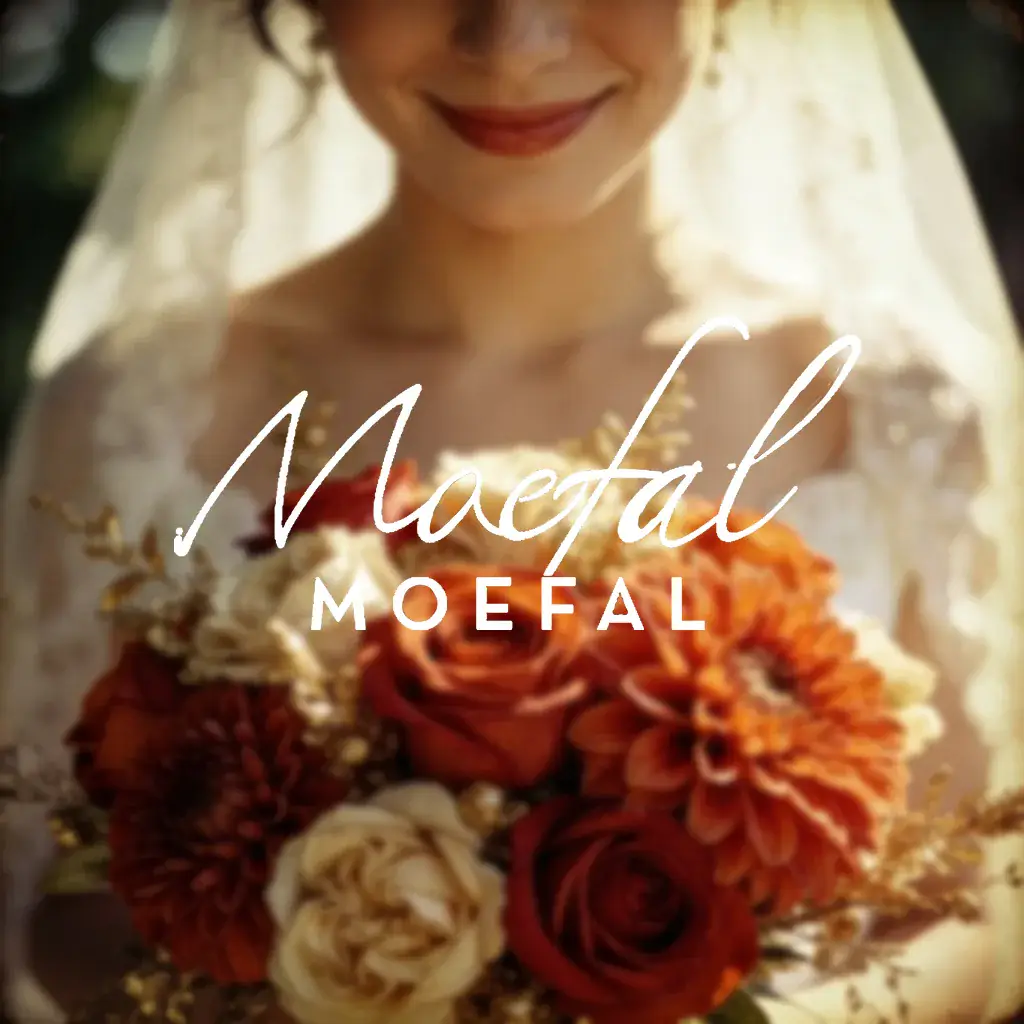
A terracotta wedding color palette is a warm, earthy set of wedding colors built around sun-baked clay: deep rust at one end, soft cream at the other, and muted orange, amber and peach in between. The five shades below are the ones we use to build terracotta bouquets and centerpieces, each with a hex code and the faux flower that carries it, so you can match your florals, linens and stationery to the same gradient.
Warm. Earthy. Unforgettable. It is the color of desert sunsets and modern romance — the terracotta wedding trend isn't just a palette, it's a feeling.
What is a terracotta wedding color palette?
Terracotta is the color of unglazed clay, a red-orange softened with brown and a little gray. As a wedding palette it reads warm and relaxed rather than bright: think of a desert at dusk, not a pumpkin patch. That is why it suits boho, vineyard, barn and golden-hour weddings, and why it has become one of the most-searched wedding colors for 2026, usually in its washed-out "muted terracotta" form.
A good terracotta palette is a gradient, not a single color. One orange on its own looks flat in photos; five related shades, from dark to light, give bouquets depth and make the whole day look planned.
The 5 shades of a terracotta palette
#883D2A
Burnt Rust
#C1552B
Muted Terracotta
#E08A3D
Amber
#D78E70
Sunset Peach
#E9DDCF
Warm Cream
1. Burnt Rust — #883D2A
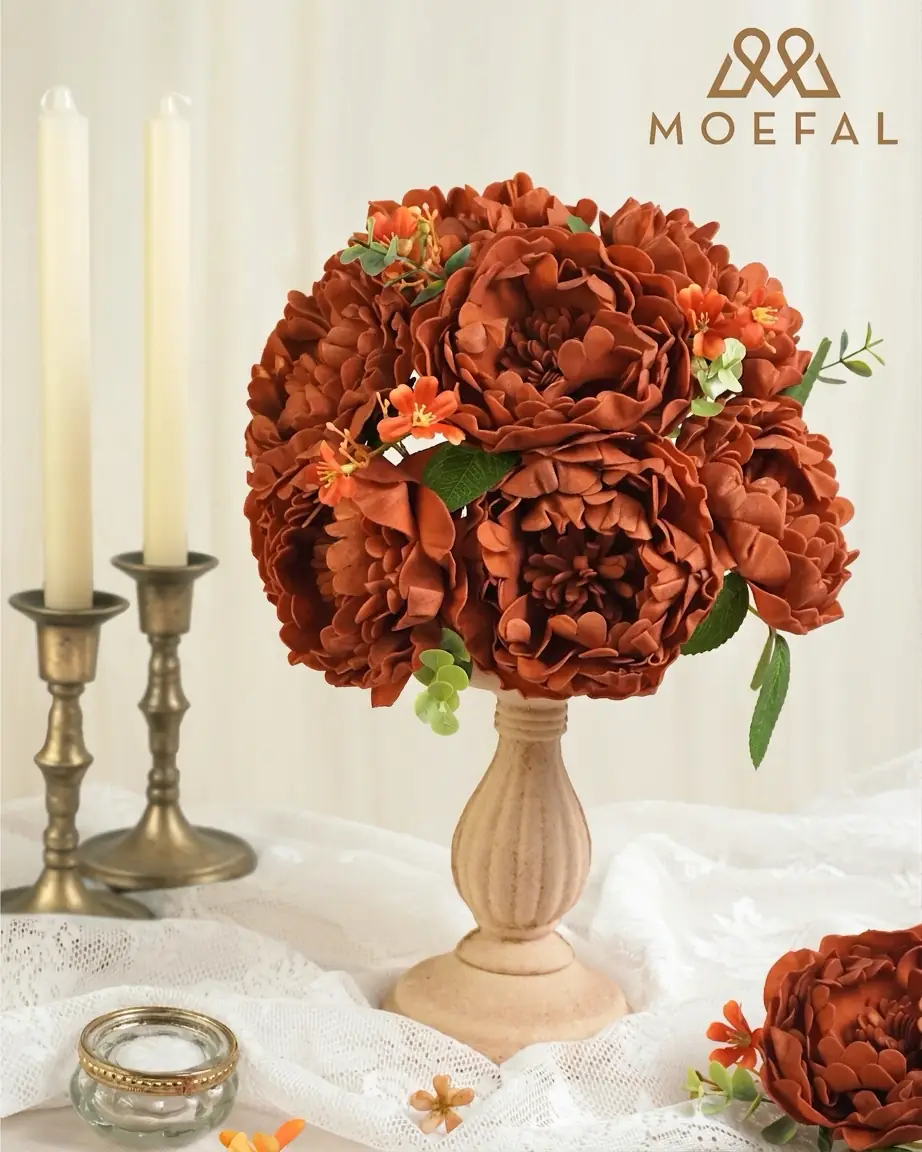
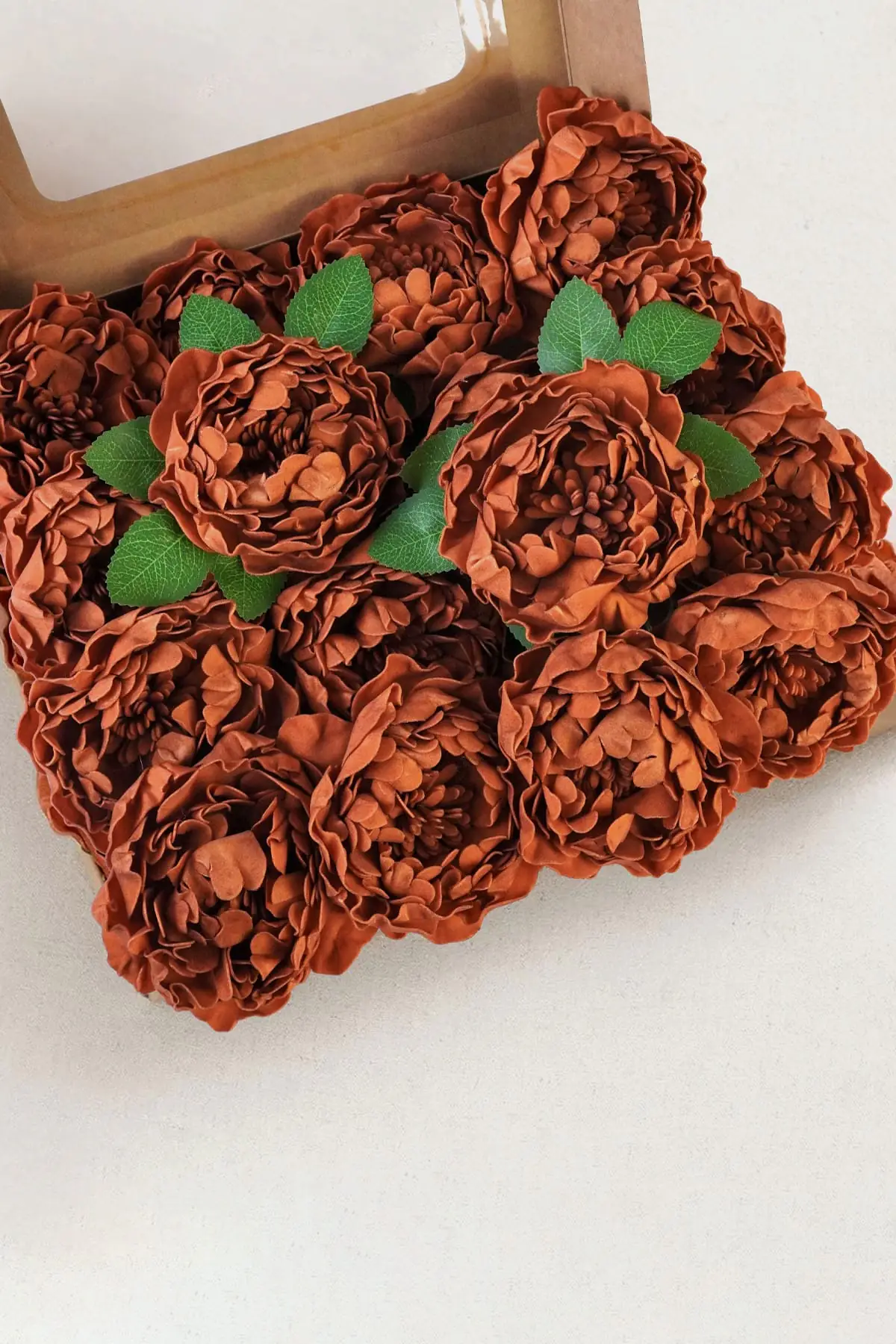
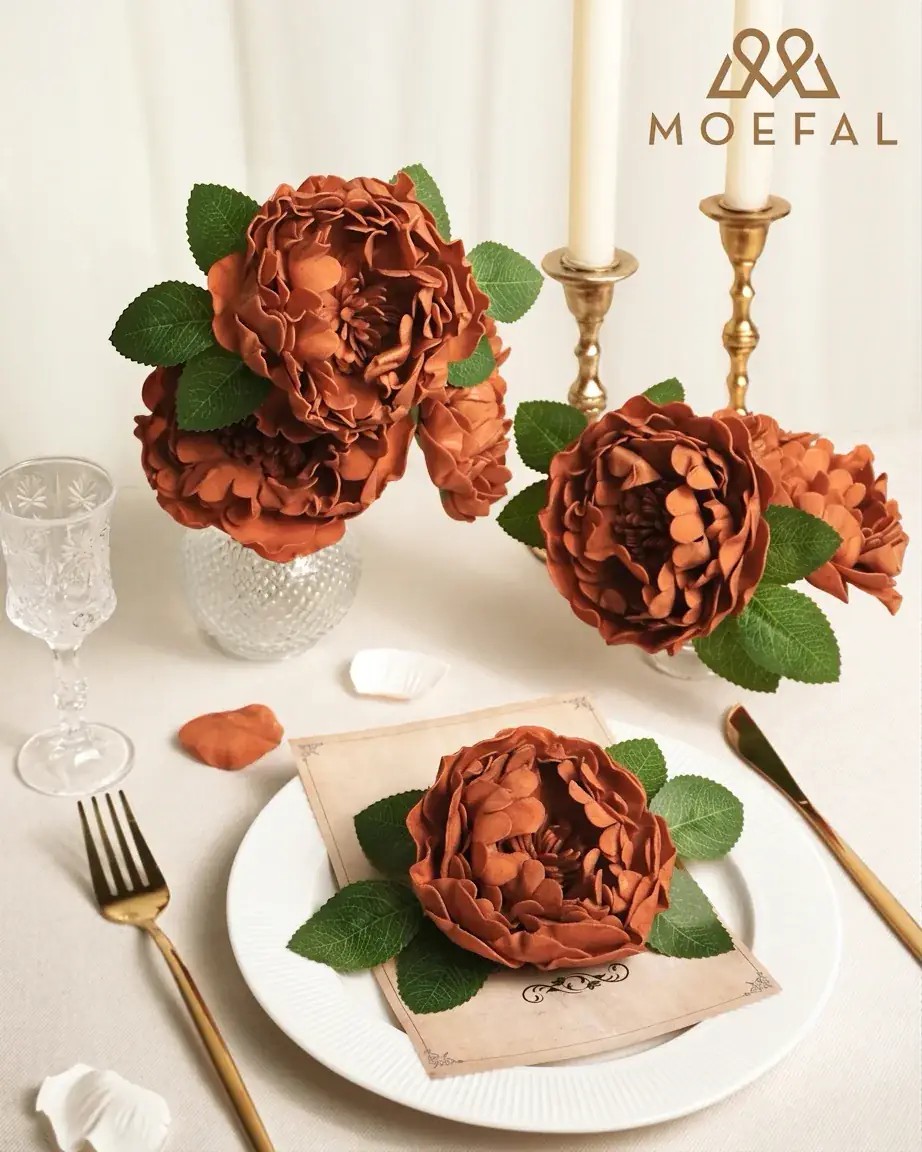
The deepest shade and the anchor of the palette. It gives a bouquet its shadows and stops the lighter tones from looking washed out. Our terracotta peonies with vintage burnt edges carry it: 16 stems of 4-inch high-density foam blooms on bendable 8-inch wire stems, with hand-finished darker edges that add depth on their own.
2. Muted Terracotta — #C1552B
The lead color, and the one people mean when they say "terracotta." Use it in your largest blooms and repeat it in small details, such as boutonnieres, napkins or invitation envelopes, so it reads as the theme. For a modern outline, add a few terracotta anthurium stems (17 inches long, with 4 x 5.5-inch sculptural blooms); for the groom's side, the terracotta boutonniere set pairs one detailed groom's piece with five matching groomsmen pieces.
3. Amber — #E08A3D
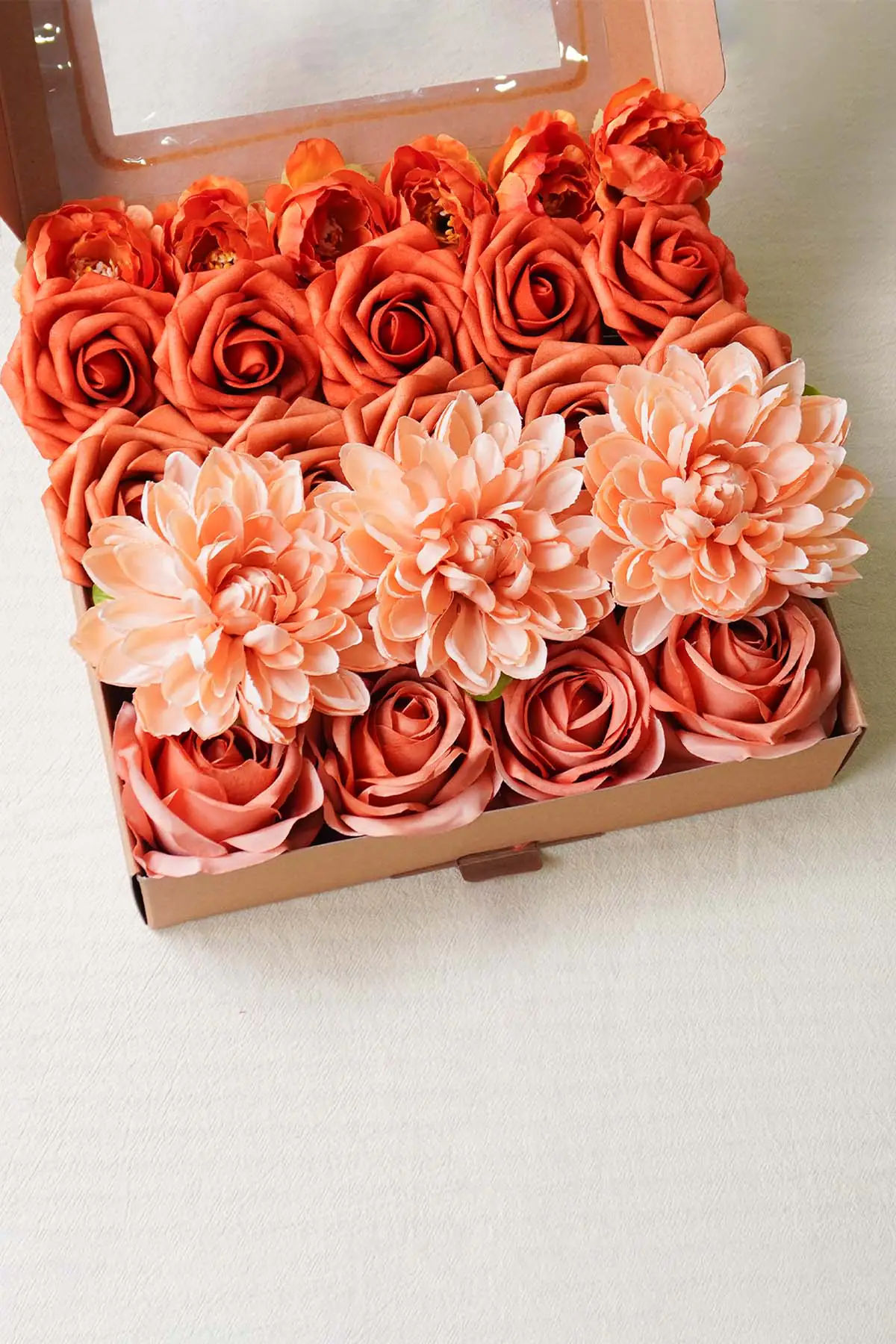
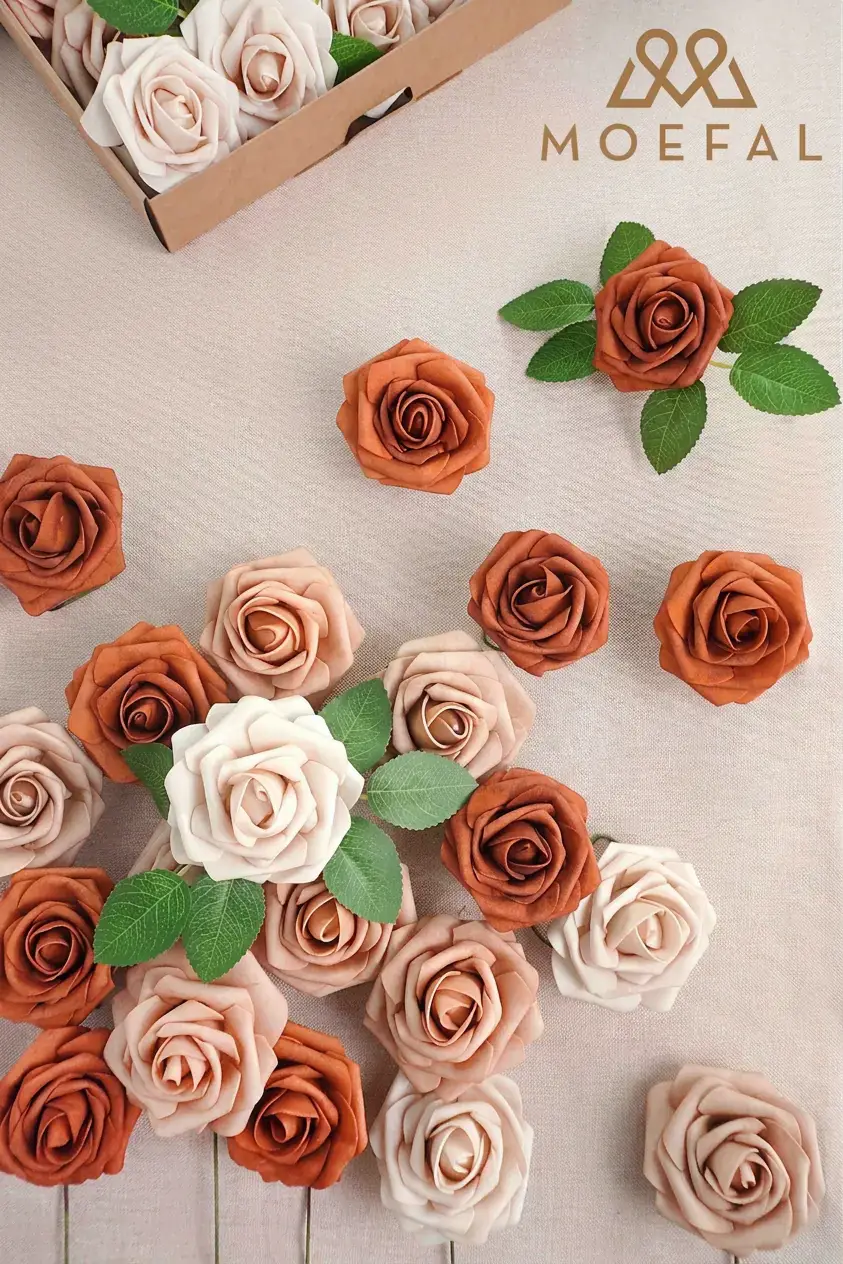
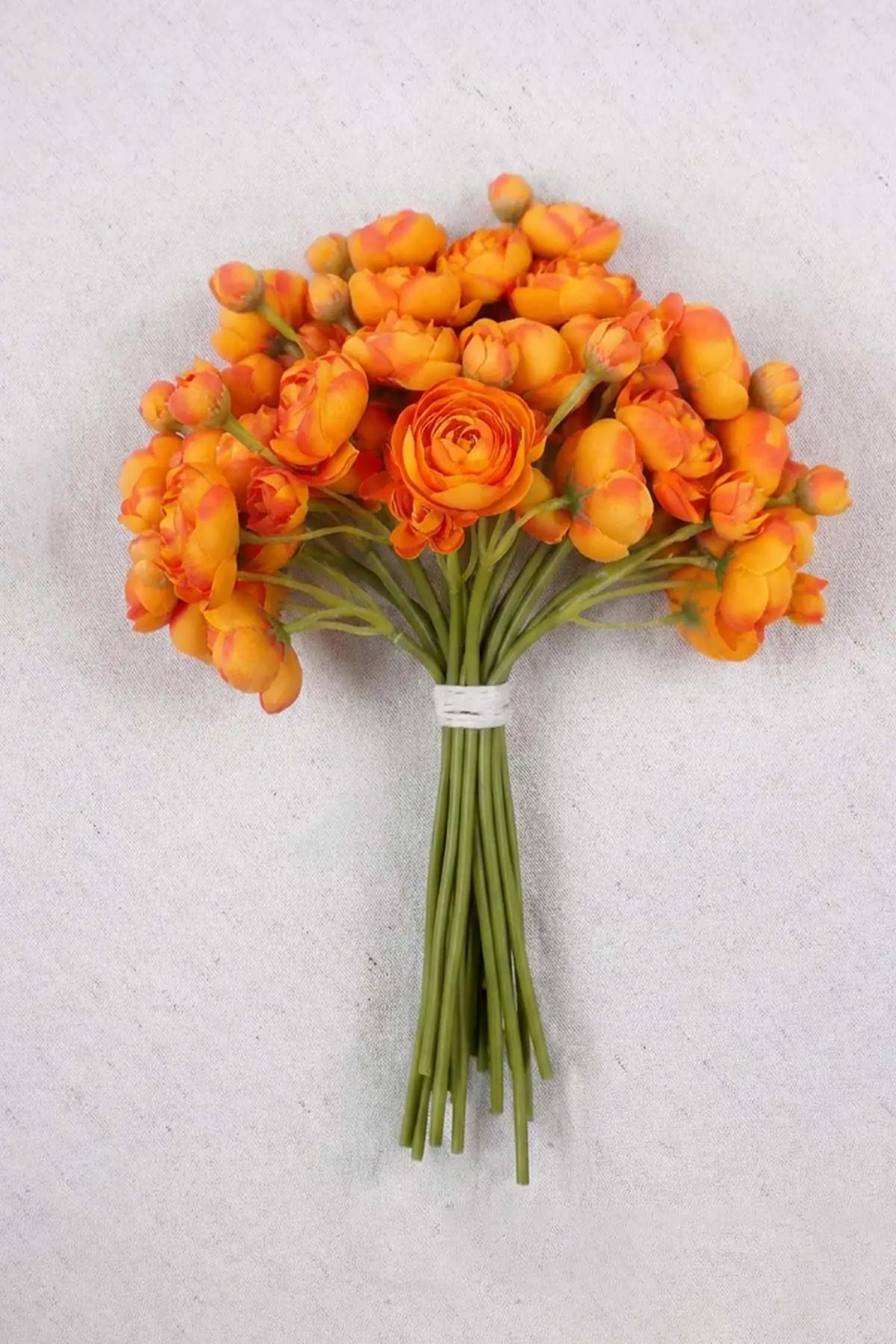
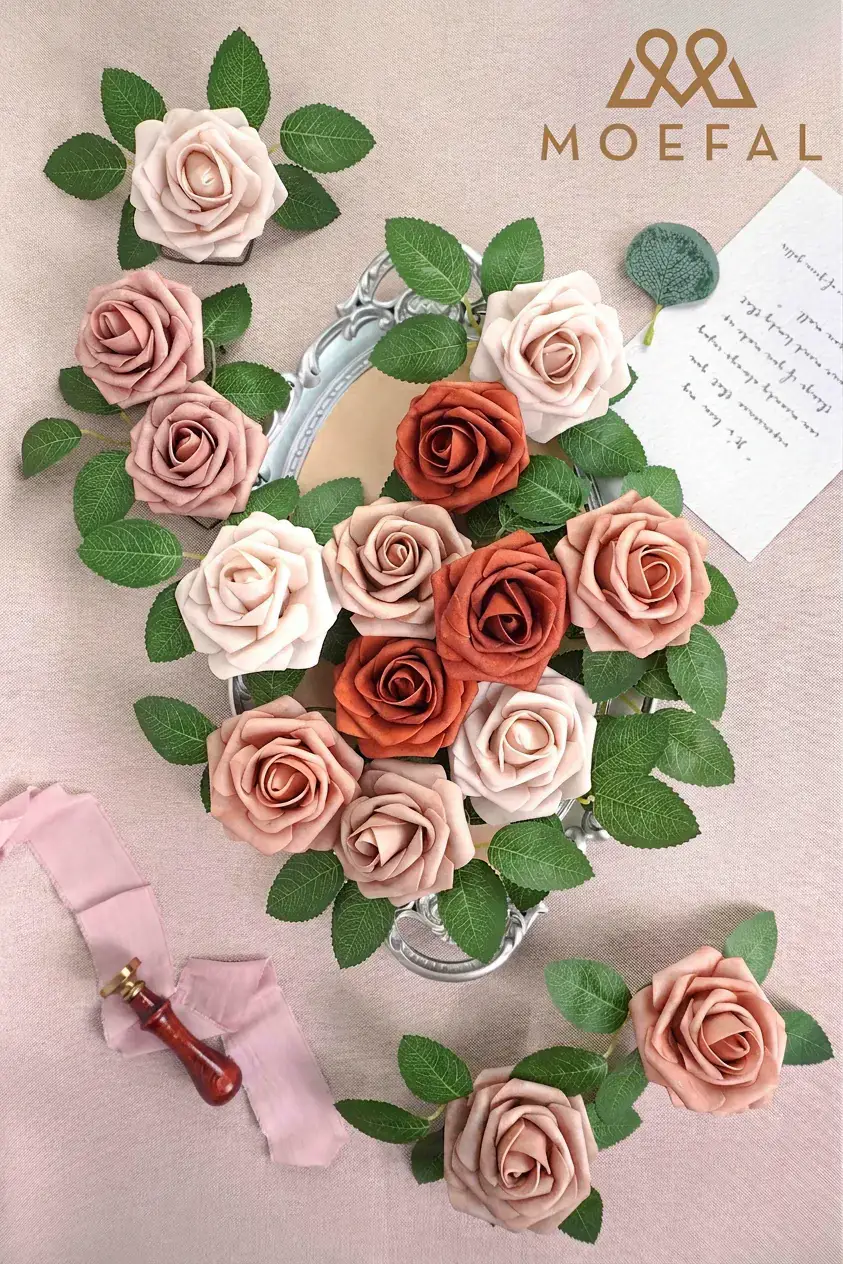
Amber is the golden middle of the gradient. It brightens the rust tones without jumping to a loud orange, and it photographs beautifully in late-afternoon light. The amber and terracotta flower box is already matched across this range: 23 pieces of blood-orange silk mini peonies, caramel foam roses and warm filler. For a brighter, citrus-leaning amber, citrus orange ranunculus adds small, round blooms that tuck between larger flowers.
4. Sunset Peach — #D78E70
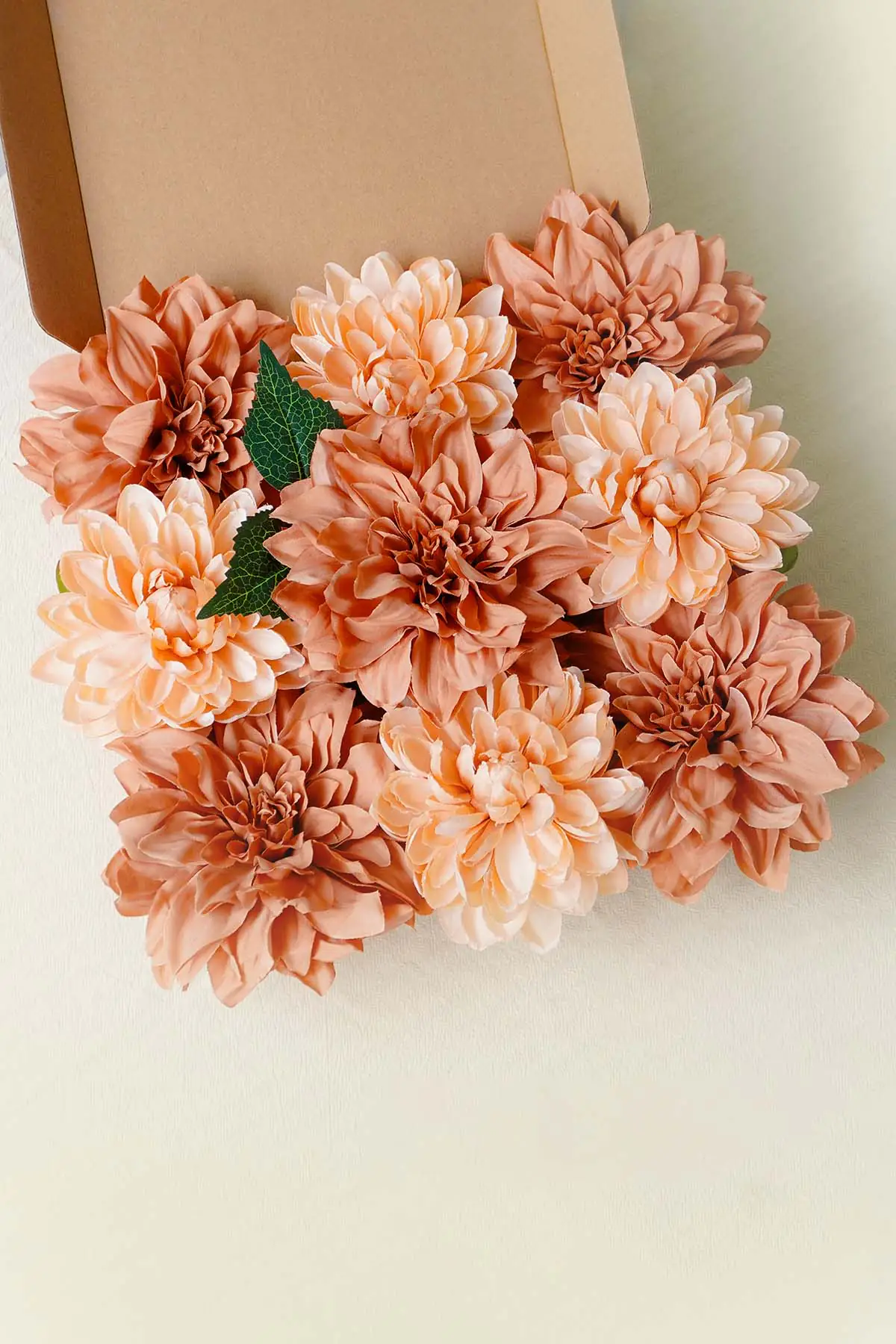
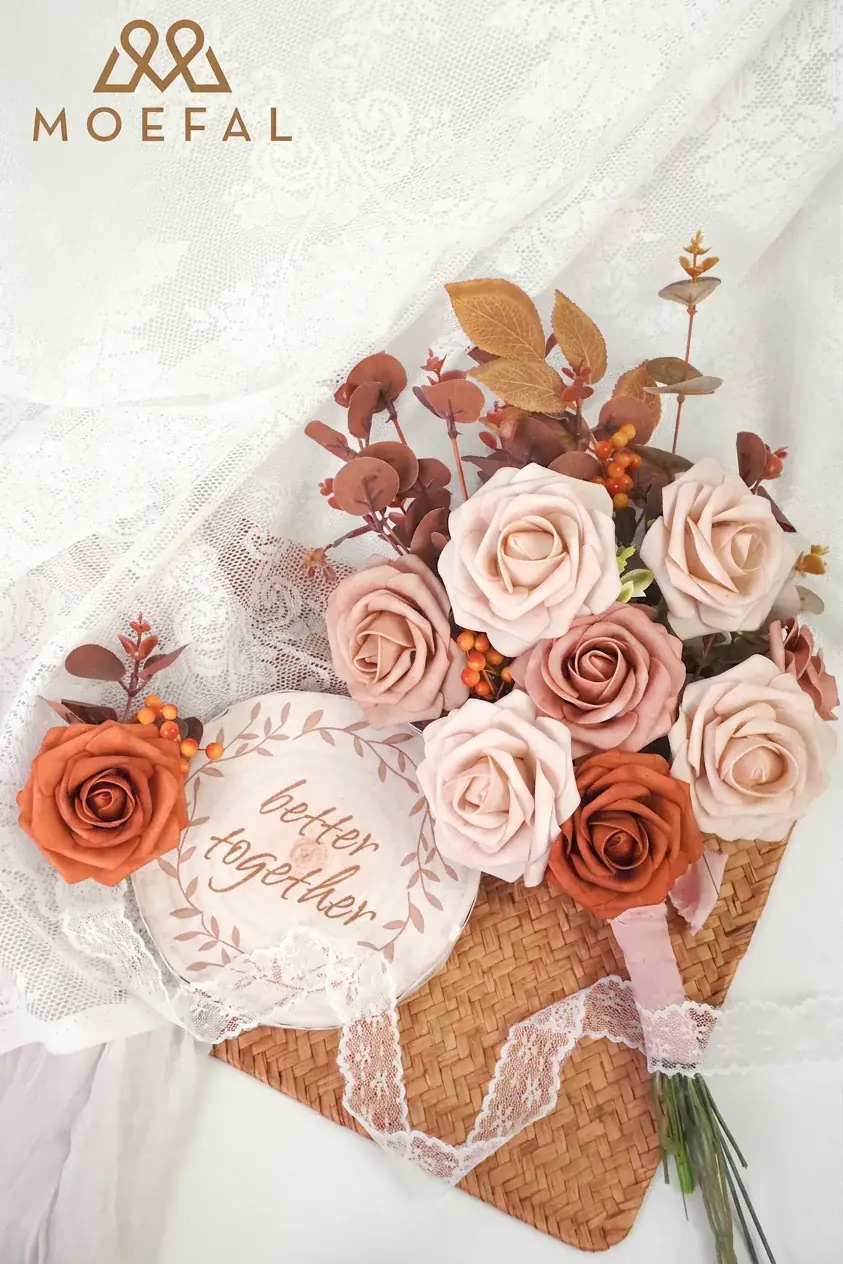
Peach is the bridge between orange and cream. Without it, a terracotta bouquet can look like two separate halves; with it, the gradient flows. Our sunset terracotta silk dahlias sit right on this shade: nine large focal blooms, five 5.5-inch semi-cactus and four 4.5-inch waterlily, enough to anchor a full centerpiece.
5. Warm Cream — #E9DDCF
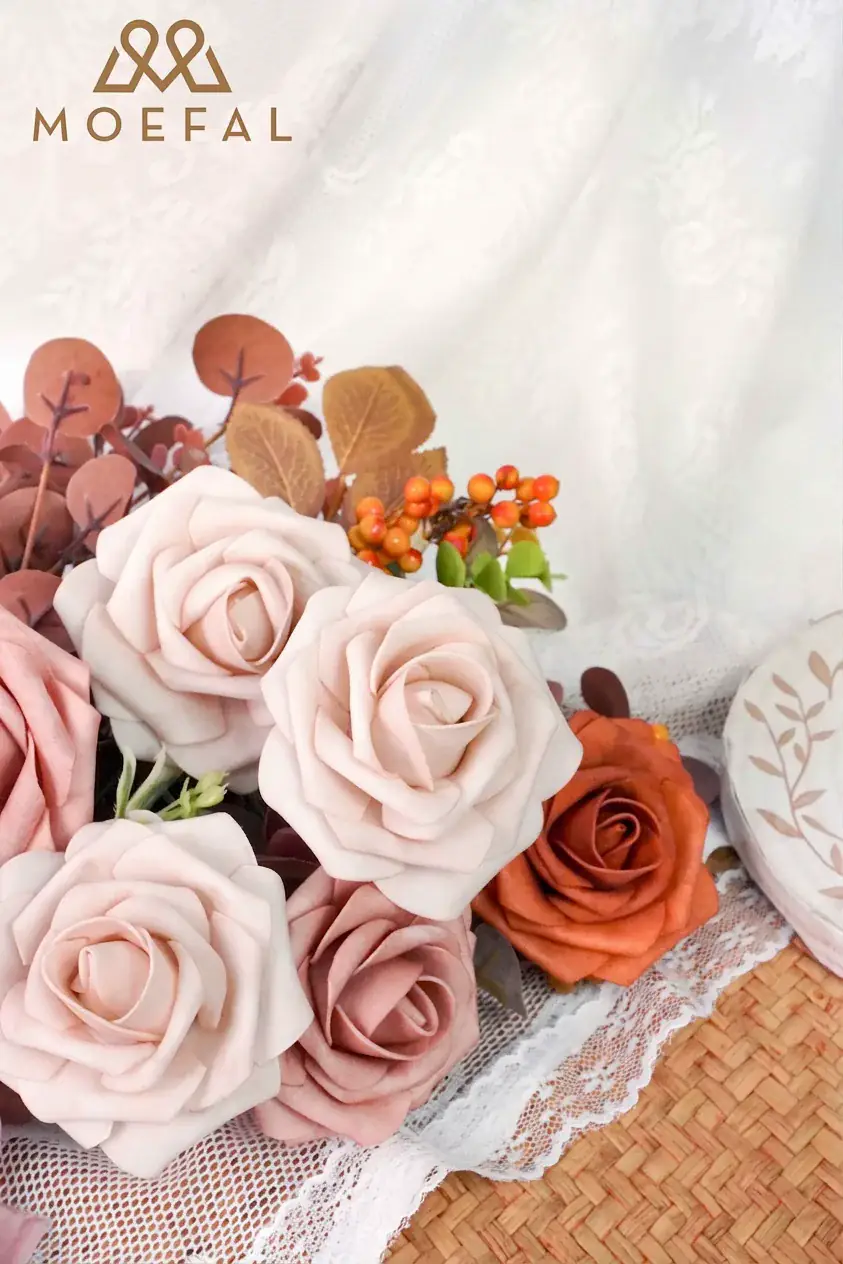
The lightest shade gives the eye somewhere to rest and keeps the palette from turning heavy. Choose a warm cream rather than a stark white; pure white looks gray next to terracotta. Cream ranunculus, 18 silk stems with ivory undertones, fill the edges of a bouquet and soften every other shade.
How much of each shade to use
A simple ratio keeps every arrangement consistent, from the bridal bouquet to a single bud vase:
- Muted terracotta, about 40%: your lead color in the biggest blooms.
- Amber and sunset peach, about 30% together: the middle of the gradient.
- Warm cream, about 20%: the light edge and breathing room.
- Burnt rust, about 10%: a few deep blooms toward the center for depth.
Build the darker flowers into the center and the lighter ones toward the edge, turning the bouquet as you go. If your flowers arrived packed flat, fluff them first; our guide on how to fluff an artificial bouquet after delivery walks through it.
Peonies instead of roses: the texture flower of a terracotta palette
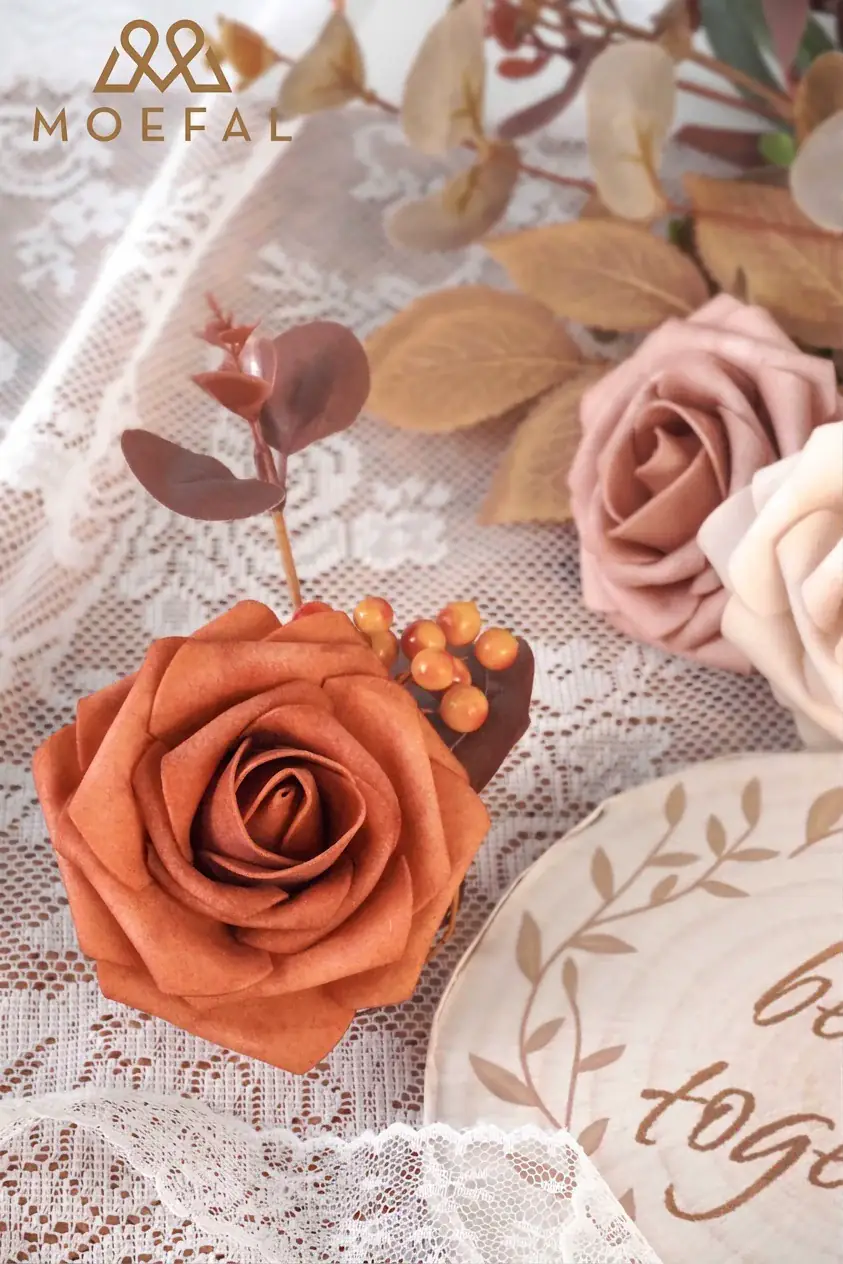
Looking for more texture? Swap some of the roses for peonies. Our terracotta peonies come 16 to a box, each a 4-inch high-density foam bloom whose ruffled petals fill gaps in a bouquet much faster than a rose. The petal rims are finished a shade darker, the way a real peony bruises as it opens, which keeps the color from looking flat: it reads clay in daylight and burnt orange under warm reception light.
Customers notice it in person. One described them as "very realistic and soft to touch"; another, who styles them for fall, called them her "favorite fake flowers" and suggested adding a few smaller flowers around them for the most natural look — exactly what citrus ranunculus or cream ranunculus are for.
What colors go with terracotta?
- Champagne and ivory keep terracotta elegant and bright. See Sunset Elegance: Terracotta & Champagne for a full desert-romance look.
- Dusty rose softens it and makes the orange look warmer. Two parts terracotta to one part dusty rose is a safe starting point.
- Navy or espresso brown anchors it. A little deep blue makes terracotta glow; brown makes it feel grounded and rustic.
- Sage and eucalyptus greens work better than bright greens, which fight the muted orange.
- Metals: brass, copper and warm gold. Silver tends to look cold beside clay tones.
For bridesmaid dresses and linens, hold the fabric swatch next to a flower in daylight before you commit. Two things both called "rust" from different makers rarely match exactly, which is exactly why hex codes help.
Rust, copper and brown: burnt orange wedding colors for autumn
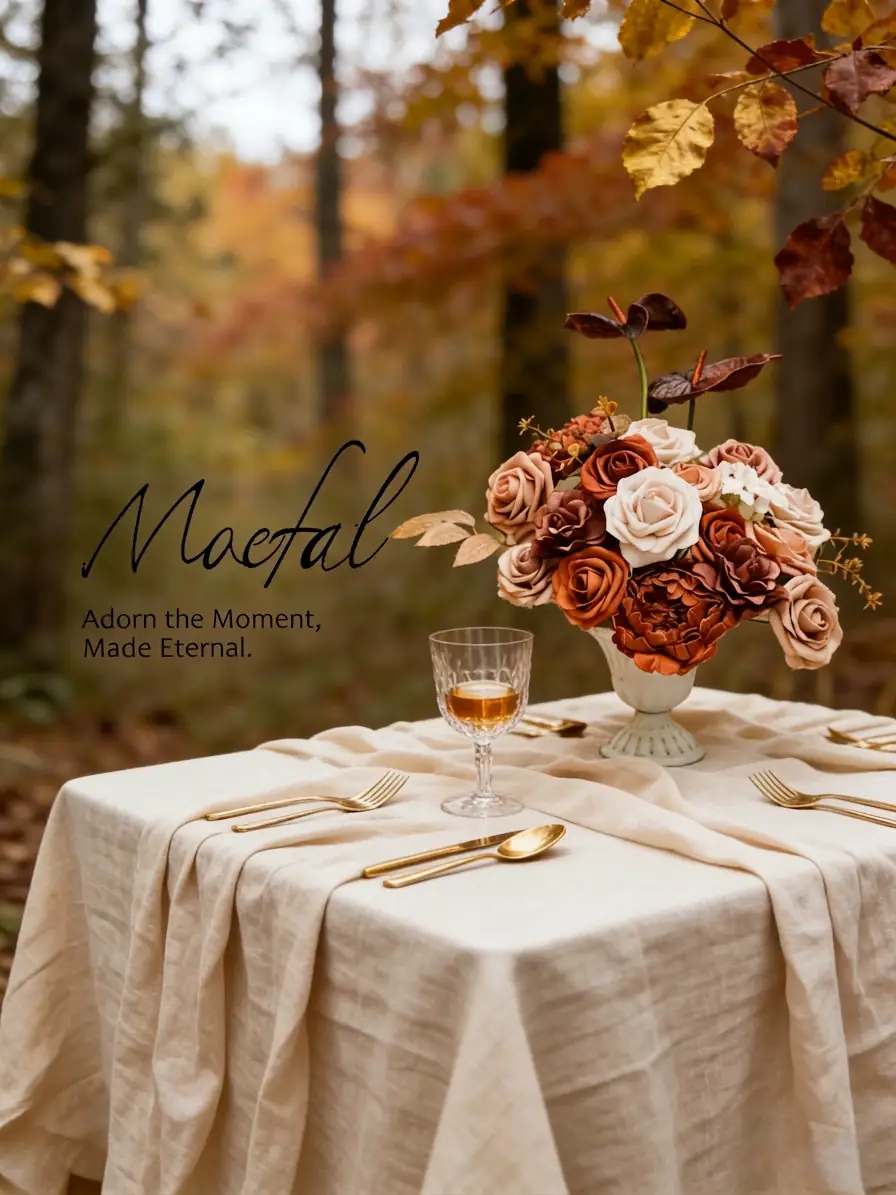
Push the palette darker and terracotta becomes a rust and copper scheme: burnt orange blooms with deep chocolate accents, like a sunset turning to dusk. It suits woodland venues, barns and late-October dates.
- Rust: terracotta peonies and the deeper tones of the amber and terracotta box.
- Copper: sunset terracotta dahlias, warm rust with sun-kissed highlights, next to copper or brass candle holders.
- Brown: coffee-brown anthuriums or the earth brown hydrangea box from our earth and tawny family.
Keep cream in the mix. Even a rust-heavy palette needs a light edge, or the arrangements read as one dark mass in photos. For ideas with the sculptural brown stems, see our anthurium arrangement ideas.
From ceremony to reception: making terracotta flowers work twice
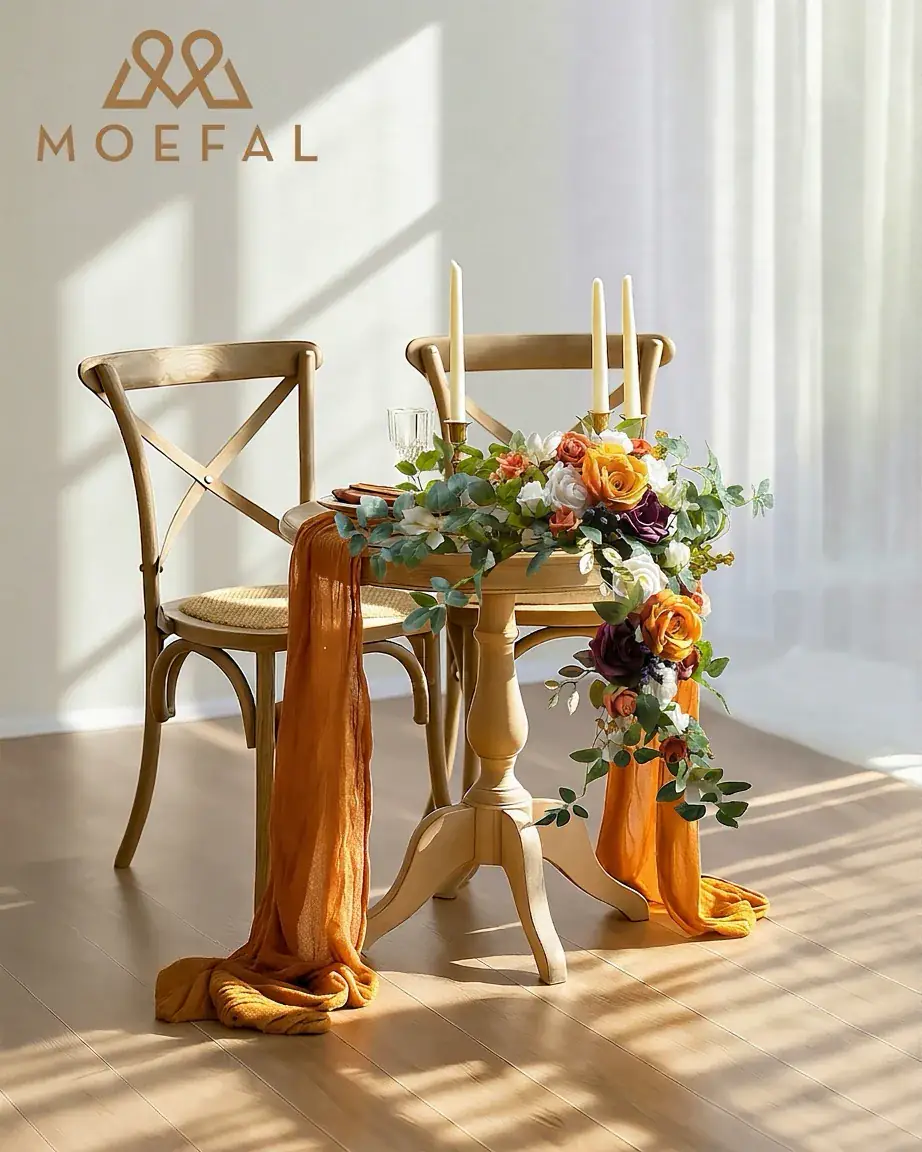
Your wedding flowers should be as versatile as they are beautiful. Faux flowers need no water, so the arrangements that frame your vows can be carried to the sweetheart table or the cake table for the reception — one set of flowers, two jobs.
- Arch corners to sweetheart table: move the floral clusters from the arch to the front edge of your table.
- Aisle bud vases to cocktail tables: the same small vases, carried over during the photos.
- Bridesmaid bouquets to the head table: stand them in vases in front of each bridesmaid's seat during dinner.
Flowers are packed compactly so they travel safely. When you unbox, reshape the petals and leaves by hand, or relax them with a hairdryer on a low, cool setting, and they open back up.
Terracotta through the seasons
Terracotta is most at home in autumn, but it works year-round when you shift the supporting colors: pair it with cream and sage for spring, with coral and citrus for summer, and with navy or deep brown for winter. For the full seasonal picture, including terracotta with dusty rose, navy and espresso, see our guide to fall wedding color palettes for 2026, or browse every flower in the Terracotta & Amber family.
Because faux flowers keep their color, a terracotta palette can also move from the reception straight to the Thanksgiving table and back into the box for next year.
How many terracotta flowers do you need?
In our planning guide, each box or pack below makes one bridal bouquet or one centerpiece, and about half of one makes a bridesmaid posy:
- Terracotta peonies — 16 stems with blooms about 4 inches across.
- Amber and terracotta flower box — 23 pieces, already matched across the amber range.
- Sunset terracotta silk dahlias — 9 large blooms, five at 5.5 inches and four at 4.5 inches.
- Terracotta anthuriums — 8 real-touch stems for a sculptural outline.
- Citrus orange ranunculus — 18 mini stems; use two packs for a bouquet made only of ranunculus.
- Terracotta boutonniere set — one groom's piece and five for the groomsmen.
For a 100-guest wedding with ten tables, that usually means ten boxes or packs for the centerpieces, one or two for the bridal bouquet and about half a box per bridesmaid. A couple who used the terracotta boutonniere set for their wedding party wrote that the color "is rich and elegant."
Frequently asked questions
What colors are in a terracotta wedding color palette?
A terracotta palette usually runs from deep burnt rust through muted terracotta, amber and peach to a warm cream. Using all five as a gradient gives bouquets depth; using only one orange tends to look flat in photos.
What is the hex code for terracotta?
There is no single official value. Our reference shade for muted terracotta is #C1552B, with burnt rust #883D2A, amber #E08A3D, sunset peach #D78E70 and warm cream #E9DDCF around it.
What season is best for a terracotta wedding?
Fall is the most natural fit, but terracotta works in any season if you change its partners: cream and sage in spring, citrus in summer, navy or brown in winter.
Do faux flowers work for a terracotta palette?
Yes. Faux flowers let you match exact shades that vary in fresh flowers from week to week, they do not wilt in warm weather, and burnt-edge and dyed-look finishes are easier to get consistent across a whole wedding.
How many flowers do I need for a terracotta wedding?
Plan one box or pack per centerpiece, one or two for the bridal bouquet and about half a box per bridesmaid. A 100-guest wedding with ten tables usually needs ten to twelve boxes or packs in total, plus a boutonniere set for the groom's side.
What are burnt orange wedding colors?
Burnt orange wedding colors are the deeper, browner side of terracotta: rust, copper and amber, usually paired with cream and a dark anchor such as chocolate brown or navy. They suit fall weddings and warm, low light.
Shop the story
Everything in this article, from the Terracotta & Amber family.